Production Sequencing Around 24/7 Logistics Operations
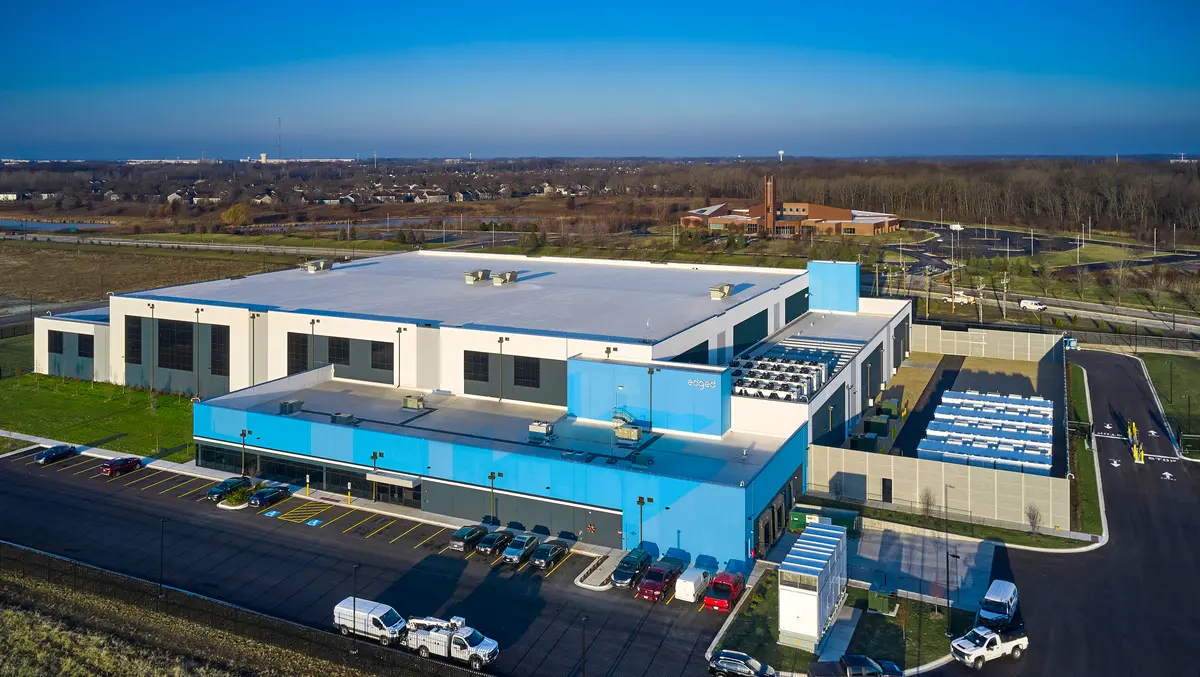
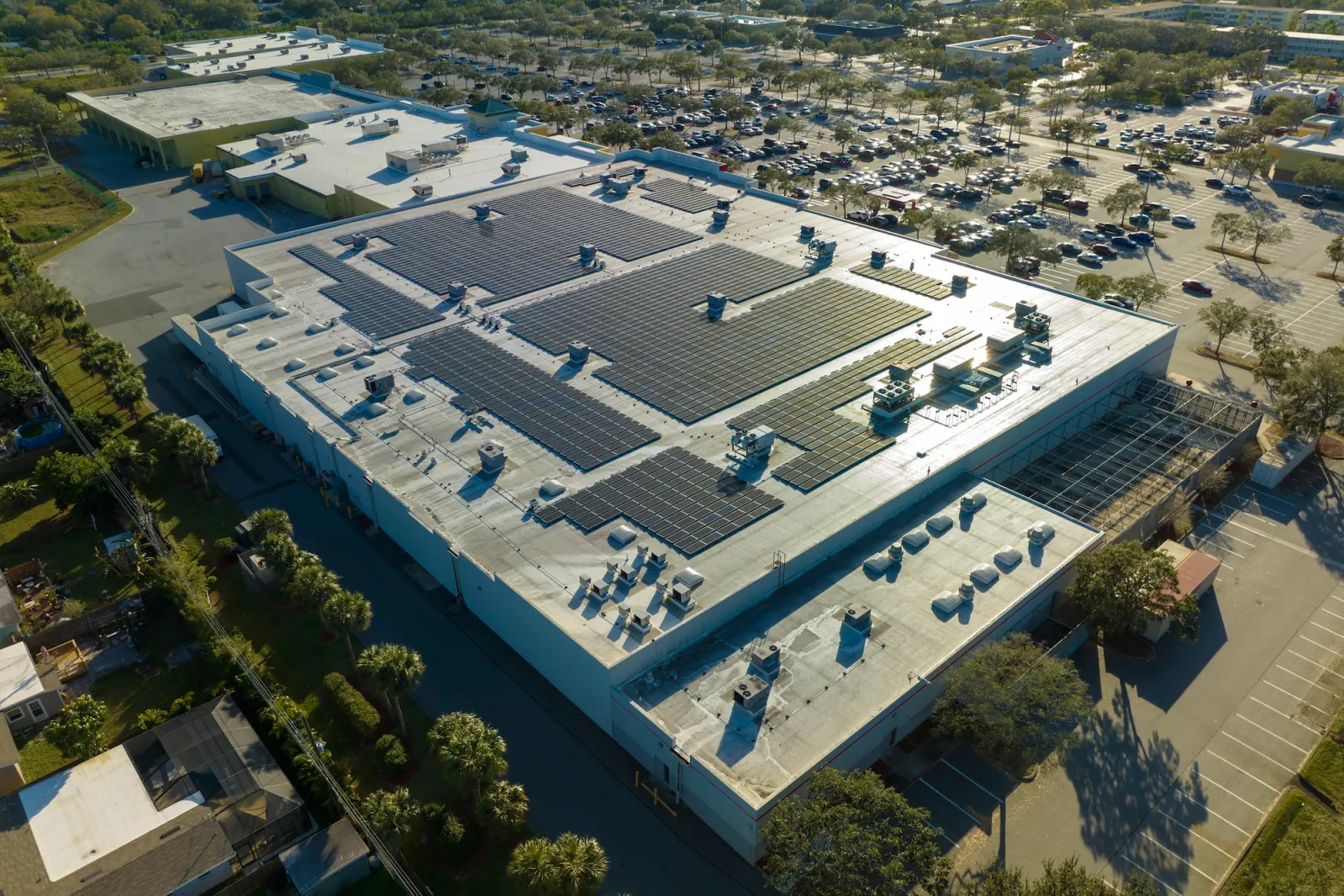
Many of the distribution buildings along I-70 and I-25 were constructed between 1985 and 2005, which places a significant share of them at 20 to 40 years old - the replacement threshold for original modified bitumen systems and first-generation EPDM. Denver's hail belt exposure means these buildings have absorbed multiple documented hail events over their service lives, and the cumulative damage to aged membranes in high-frequency hail zones is often greater than facility managers recognize until a major rain event forces the issue. The buildings along the I-225 corridor in Aurora and Arapahoe County, in particular, sit in one of the highest hail-frequency corridors in Colorado.
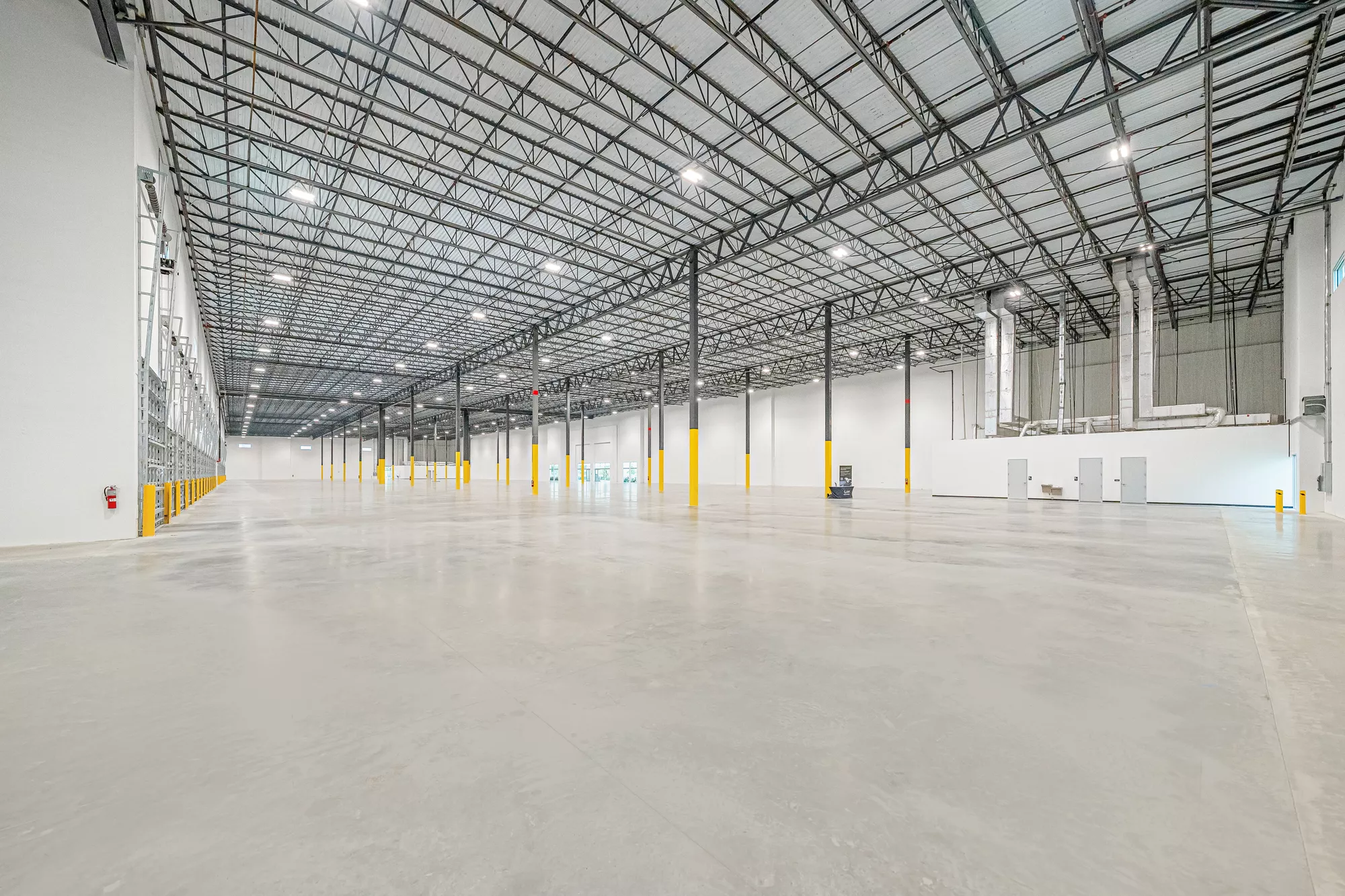
The operating reality of a logistics building is that the roof is over active space at almost every hour. Receiving is running. Outbound staging is running. Sort lines, cross-dock operations, last-mile staging areas - none of it pauses for a roofing crew. We sequence production so that tear-off debris, fastener drops, and crane staging never conflict with operations below, and we build the production schedule around the facility's dock activity and shift structure before we set foot on the roof.
The first conversation we have with every distribution facility manager is about the floor plan and the operating schedule. Where are the inbound dock doors? Where is the outbound staging? Is there a cold-storage section? Where are the sprinkler system supply risers that are sensitive to debris or overhead impact? We map the production sequence against the floor plan and the shift schedule before mobilizing equipment.
Tear-off generates debris - membrane scraps, insulation fragments, fasteners, and aggregate from ballasted systems. On a logistics building, any debris item reaching the floor below is an operational event and a safety incident. We use debris-containment parapet skirts on every open-edge tear-off section and collect and bag debris on each production zone before moving to the next. Nail magnets run dock aprons and surrounding pavement at end of every shift. DIA cargo-zone facilities, where ground-side safety standards are enforced by TSA operational protocols in addition to standard OSHA requirements, get additional perimeter containment measures documented before production begins.
Crane placement at distribution facilities along the I-70 and I-225 corridors requires coordination with the facility's inbound trailer scheduler. A 53-foot trailer docking at 6 AM cannot share the apron with a crane swing. We request the dock schedule before finalizing the crane placement plan and build material lift windows around the facility's inbound flow - not around our crew's preferred start time.
Dry-In Standards and Inventory Protection
Distribution centers carry product that does not tolerate water events. A leak above a pick aisle during a spring rain event - Denver's May through August hail season produces significant afternoon storms across the Front Range with little warning - can damage product, generate insurance claims, and create slip-and-fall hazards that shut down operations. We run a strict dry-in standard on every logistics building: no section of roof is left exposed at end of shift without temporary single-ply dry-in membrane lapped, fastened, and photographed. We check National Weather Service forecasts every morning and we do not tear off more square footage than we can dry-in before any rain window closes.
Roof Systems for Denver's Large-Format Logistics Buildings
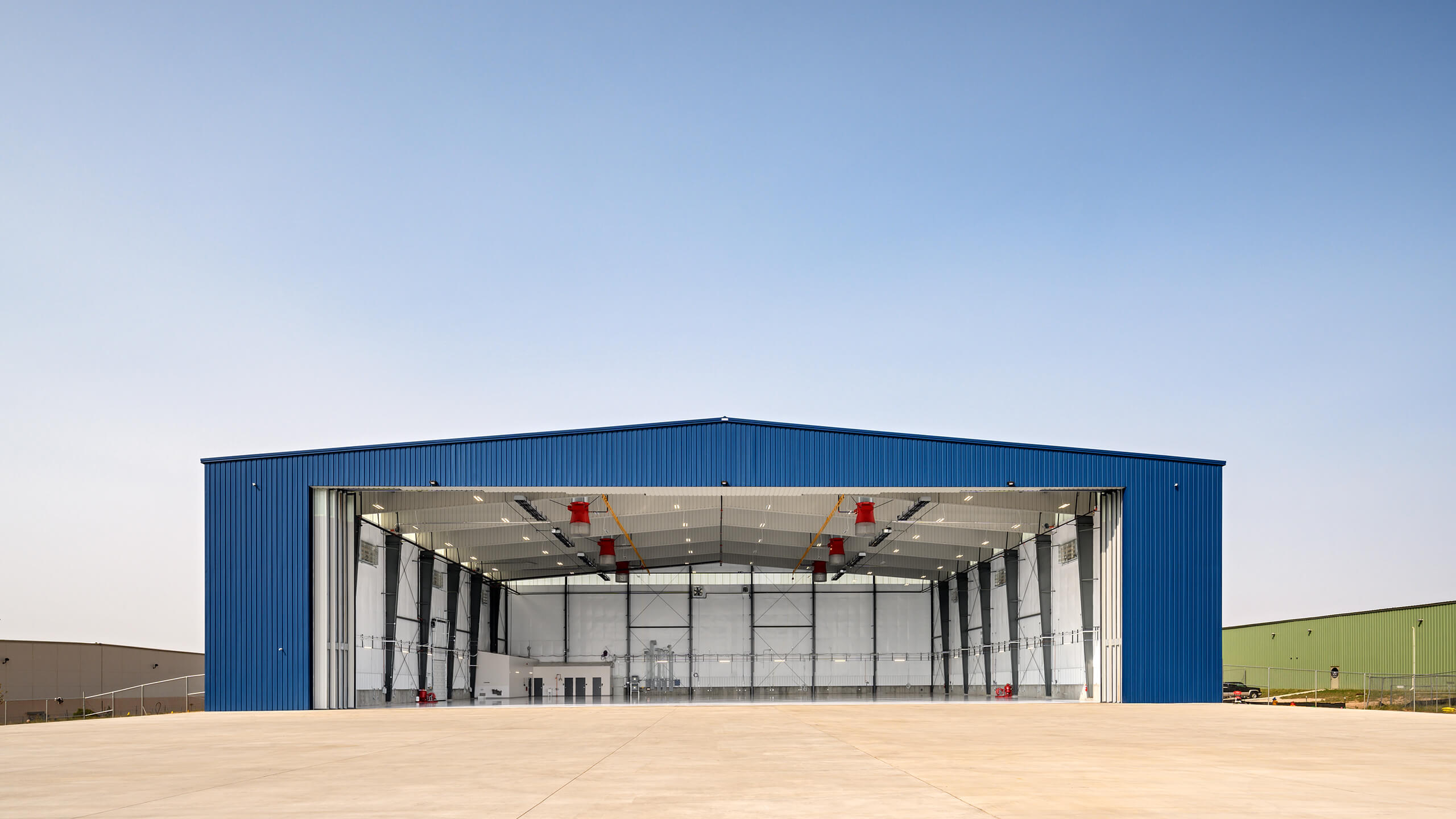
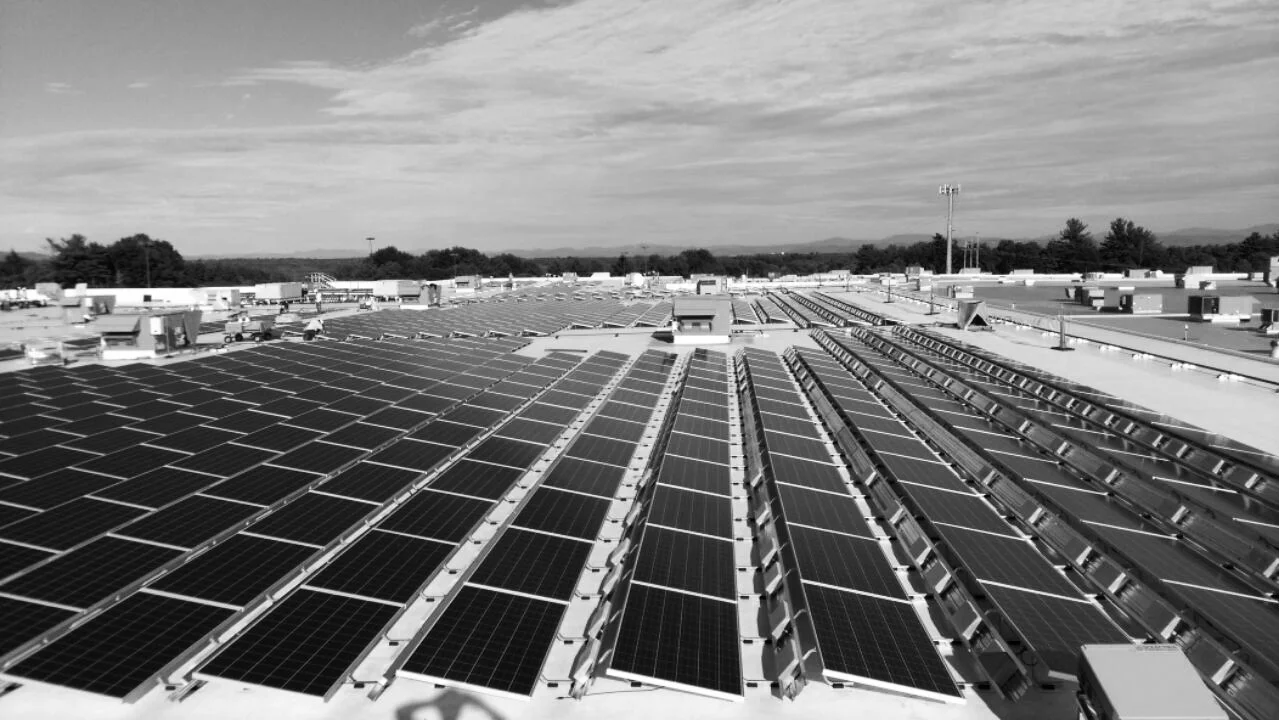
Most high-bay distribution buildings along I-70, I-25, and I-225 run steel deck with mechanically attached or fully adhered TPO over polyiso, or original modified bitumen over polyiso from the 1990s to 2000s construction cycle. Denver's hail exposure makes fully adhered TPO over HD cover board the preferred replacement specification - the adhesive bond eliminates membrane flutter under the Chinook wind events that drive sustained gusts along the Front Range, and the HD cover board provides the impact resistance that qualifies the assembly for Class 4 rating documentation.
Open-terrain exposure conditions apply to most logistics buildings east of Denver's urban core along I-70 and throughout the I-225 corridor in Aurora. Buildings in open-terrain exposure categories require higher fastener densities in mechanically attached assemblies than sheltered urban sites - the wind-uplift calculations for a 500,000 sq ft flat-roofed building in open terrain east of Commerce City are not the same as for a similarly sized building in a sheltered industrial park in Lakewood. We specify fastener density based on the building's actual exposure category, not on a default that undersells the required density.
Frequently asked questions
Can you work around our inbound and outbound shipping schedule?
Yes. We ask for the dock schedule and shift schedule before we finalize the production plan. Crane lifts, material staging, and debris removal are all coordinated against your operational windows. If your peak inbound is Monday through Wednesday and your low point is Thursday night through Friday morning, we schedule our heaviest material handling in that window.
What do you do to prevent debris from falling into the facility?
We use debris-containment parapet skirts on every open-edge tear-off section. Fasteners and small debris are collected and bagged before we move to the next production zone. Nail magnets run the dock aprons and surrounding pavement at end of every shift. If the facility manager wants interior protection tarps over sensitive product zones, we coordinate that with the facility team before production begins.
How do you handle roofing above a cold storage or refrigerated distribution area?
Cold storage sections are sequenced for minimum exposure time. We coordinate with your refrigeration contractor on the system's capacity to handle additional heat load during tear-off. Dry-in goes down with the same R-value as the final assembly, and cold storage sections are never left open overnight under any circumstances.
Our DEN facility operates 24/7. Can you work nights?
Yes. Night shift production is available for facilities where daytime work conflicts with operations. Night work carries additional cost - we are straightforward about that - but for facilities where a daytime production window is genuinely not available, we can run a night crew with the appropriate lighting, supervision, and safety specification written into the contract.
Distribution center reroof in the Denver metro?
We scope logistics building reroofs around your operating schedule, dock activity, and inventory protection requirements. Tell us your floor plan and shift structure and we will design the production sequence around it.
| Scope Format | Written roof plan and photo record |
|---|---|
| Primary Market | Denver commercial buildings |