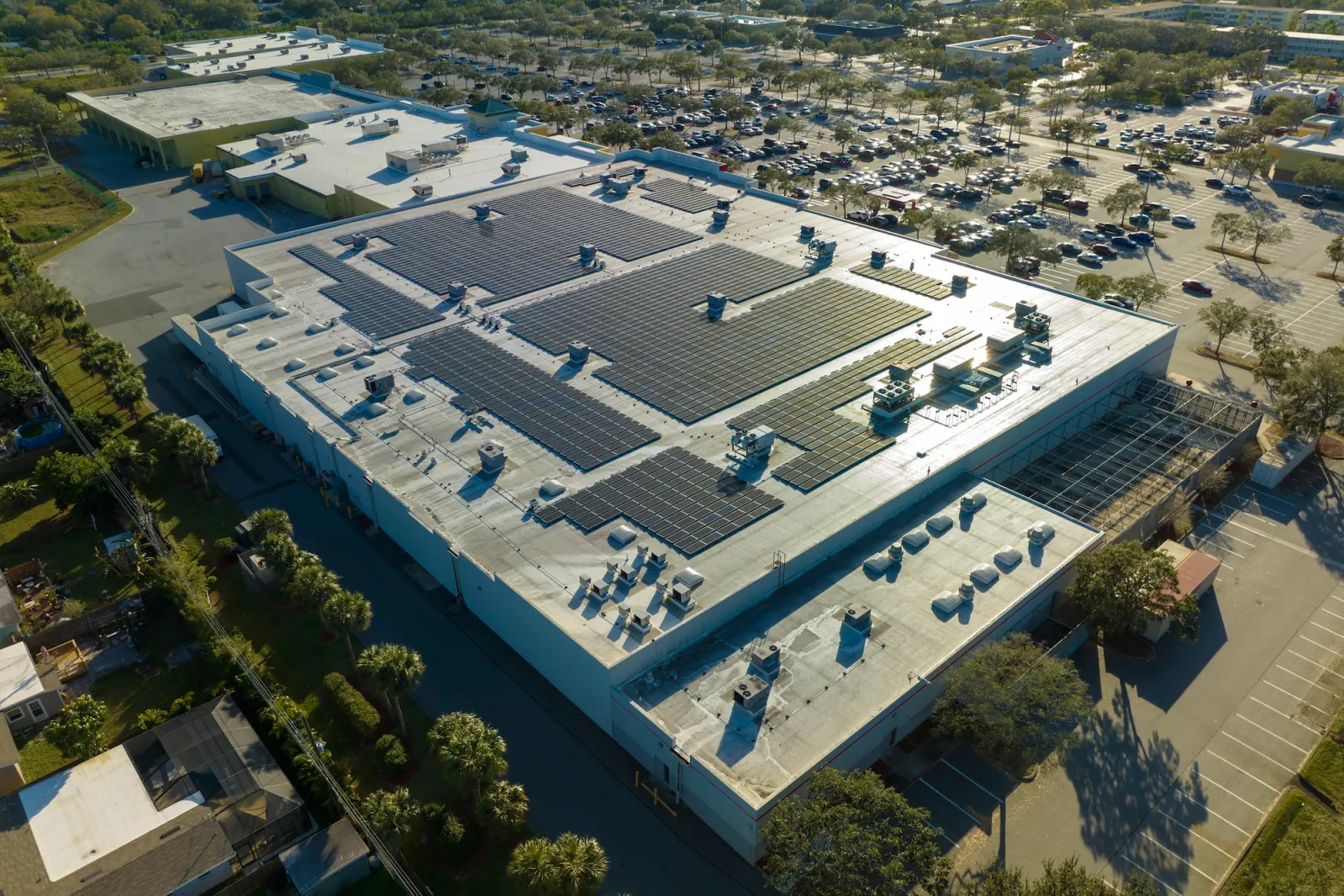
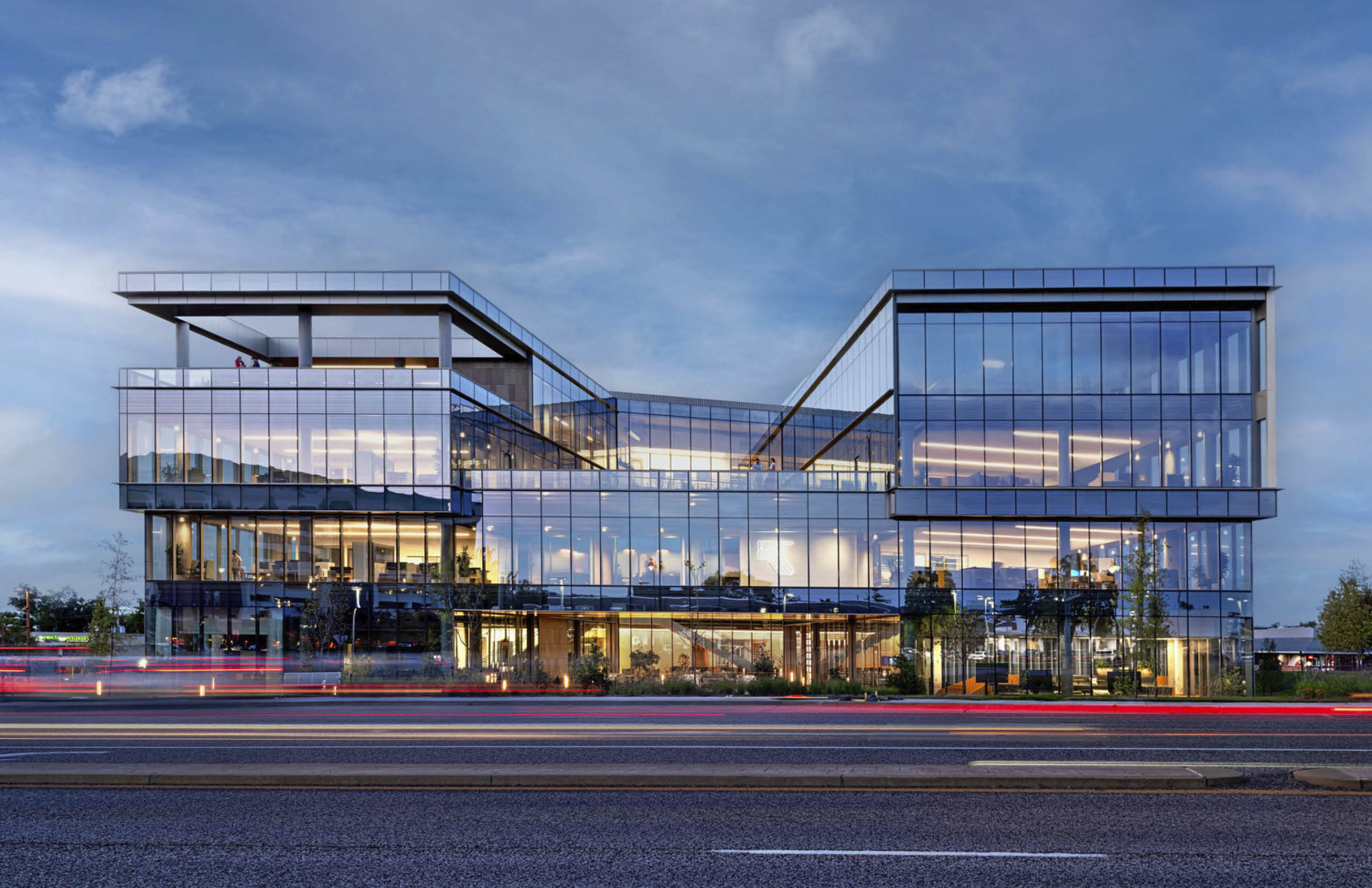
Western Union Campus and Corporate Headquarters Protocols
Commercial roofing for Denver-area financial services offices and data centers - Western Union HQ, FirstBank, Vectra Bank, DCP Midstream, Liberty Oilfield Services - with business-continuity sequencing and secure-access protocols.
Denver's financial services sector spans global headquarters, regional banks, and the energy-finance intersection that characterizes Colorado's economy - Western Union's global headquarters in Meridian, FirstBank's Lakewood campus, Vectra Bank, DCP Midstream, and Liberty Oilfield Services. These facilities operate under business-continuity requirements that shape every roofing production decision.
Colorado's financial services sector is powered by a mix of institutions that reflect the state's economic character. Western Union - a global payments company with its corporate headquarters in Meridian, the master-planned business park in Douglas County near Englewood - operates one of the most sophisticated corporate campus environments in the Denver metro. FirstBank, Colorado's second-largest banking institution by deposits, operates its main campus in Lakewood along with branch and operations facilities across the Front Range. Vectra Bank Colorado, a major regional commercial bank, operates offices and branch facilities across the Denver metro. The overlap between financial services and the energy sector - DCP Midstream's Denver headquarters, Liberty Oilfield Services, and the financial operations of Colorado's midstream energy companies - creates a distinct category of financial services facility that combines banking-class security with the operational requirements of energy company offices.
Financial services facilities share a common roofing challenge: they are frequently listed in their organizations' business continuity plans as critical infrastructure, which means any roofing disruption - planned or unplanned - triggers a business continuity assessment by the facilities or risk management team. We take that seriously. Our pre-construction process for financial services facilities includes a formal discussion with the facility manager and risk management team about the business continuity classification of the building, the acceptable disruption tolerance for each production phase, and the escalation protocol if an unplanned event occurs during production.
Security is a secondary constraint that shapes logistics more than production scope. Financial services facilities - particularly those that house trading floors, data processing centers, or cash handling operations - carry physical access controls that affect how contractor crews move through and around the building. We work with the facility's security team during pre-construction to establish the crew access protocol, badging requirements, and the areas of the building or campus that are off-limits to contractors, before mobilization.
Western Union's global headquarters campus in Meridian is a multi-building corporate campus in Douglas County where roofing work involves coordination with the company's global real estate and facilities team, whose oversight of the campus extends beyond standard facility management. The Meridian campus environment - a master-planned business park with shared infrastructure and landscaping - also requires compliance with the park's construction management requirements for crane operations, material staging, and contractor parking.
Corporate headquarters roofing at this scale typically involves a longer pre-construction phase than standard commercial work - the scope review process includes legal review of the contractor's insurance and indemnification provisions, a security background check requirement for all crew members, and a formal production schedule approval before mobilization. We build this extended pre-construction timeline into the project schedule and do not propose a mobilization date until all approvals are in hand.
Regional Bank and Branch Facility Sequencing
FirstBank's Lakewood campus - its main headquarters and operations facility - is a multi-building campus where roofing production sequencing must account for the operations center's 24-hour transaction processing environment. Roofing work above an operations center that processes banking transactions continuously requires the same noise and vibration management discipline as healthcare or data center work. We establish approved production windows with FirstBank's facilities team before mobilization and confirm the daily production schedule against the operations calendar.
Branch bank facilities present a different operational challenge. A bank branch building is typically occupied during banking hours - 9 AM to 5 PM - and has a vault, safe, or cash-handling area that is specifically identified in the security team's contractor access protocol. Roofing work on branch buildings is sequenced so that crane operations and material staging do not block the branch's customer entrance or drive-through, and exterior work does not create visual obstructions of the branch's exterior surveillance cameras. We include this access and surveillance coordination in our pre-construction checklist for all financial institution branch work.
Energy Finance and Midstream Office Facilities
DCP Midstream's Denver headquarters and Liberty Oilfield Services' offices represent the energy finance segment of Denver's financial services real estate. These companies operate in Class A office facilities in the Denver Tech Center and LoDo corridors that require the same business continuity sensitivity as traditional financial institutions, with the addition of energy industry operational awareness - the commodity-market sensitivity of these organizations means that trading floor and operations center disruptions carry financial consequences beyond standard office building business continuity.
The 17th Street and LoDo financial corridor in downtown Denver - home to regional facilities of national banks, investment management firms, and insurance companies - contains some of Denver's oldest Class A commercial real estate. Buildings in this corridor from the 1970s and 1980s energy-sector build-out are on their second or third roofing cycles and often carry original or early-replacement modified bitumen systems that have accumulated multiple hail events. For these buildings, full replacement with a Class 4 impact-rated system is the right capital decision, and the business-continuity planning process for the replacement should start 12 to 18 months before the scope is ready to bid.
Frequently asked questions
How do you handle the security requirements at financial services buildings?
We work with the facility's security team during pre-construction to establish the crew access protocol, badging requirements, and off-limits areas before mobilization. We do not improvise security procedures on-site - the protocol is written into the pre-construction checklist and distributed to every crew member before they set foot on the property.
Can you work above an active bank operations center or trading floor?
Yes. We establish approved production windows with the facility manager and confirm the daily production schedule against the operations calendar. Noise and vibration management above 24-hour operations centers follows the same discipline we apply to healthcare and data center work - approved windows, daily confirmation before production starts, and an immediate stop-work protocol if an unplanned event occurs.
How far in advance should we plan a roofing replacement on a financial services building?
For a Class A financial services office building with business-continuity classification, we recommend beginning the pre-construction process 12 to 18 months before the target production start. This allows time for the extended security and legal review process, the business continuity assessment, and the production schedule approval, without compressing into the roof's failure window.
Do you work on branch bank facilities across the Front Range?
Yes. Branch bank roofing work includes specific access and surveillance coordination - we do not block customer entrances or drive-through lanes and we do not obstruct exterior surveillance coverage during production. These are included in our pre-construction checklist for all financial institution branch work, not treated as a field adjustment.
Financial services facility roofing in the Denver metro?
Our project managers are experienced with business-continuity classification requirements, security access protocols, and the extended pre-construction timelines that financial institution roofing projects require.
| Scope Format | Written roof plan and photo record |
|---|---|
| Primary Market | Denver commercial buildings |