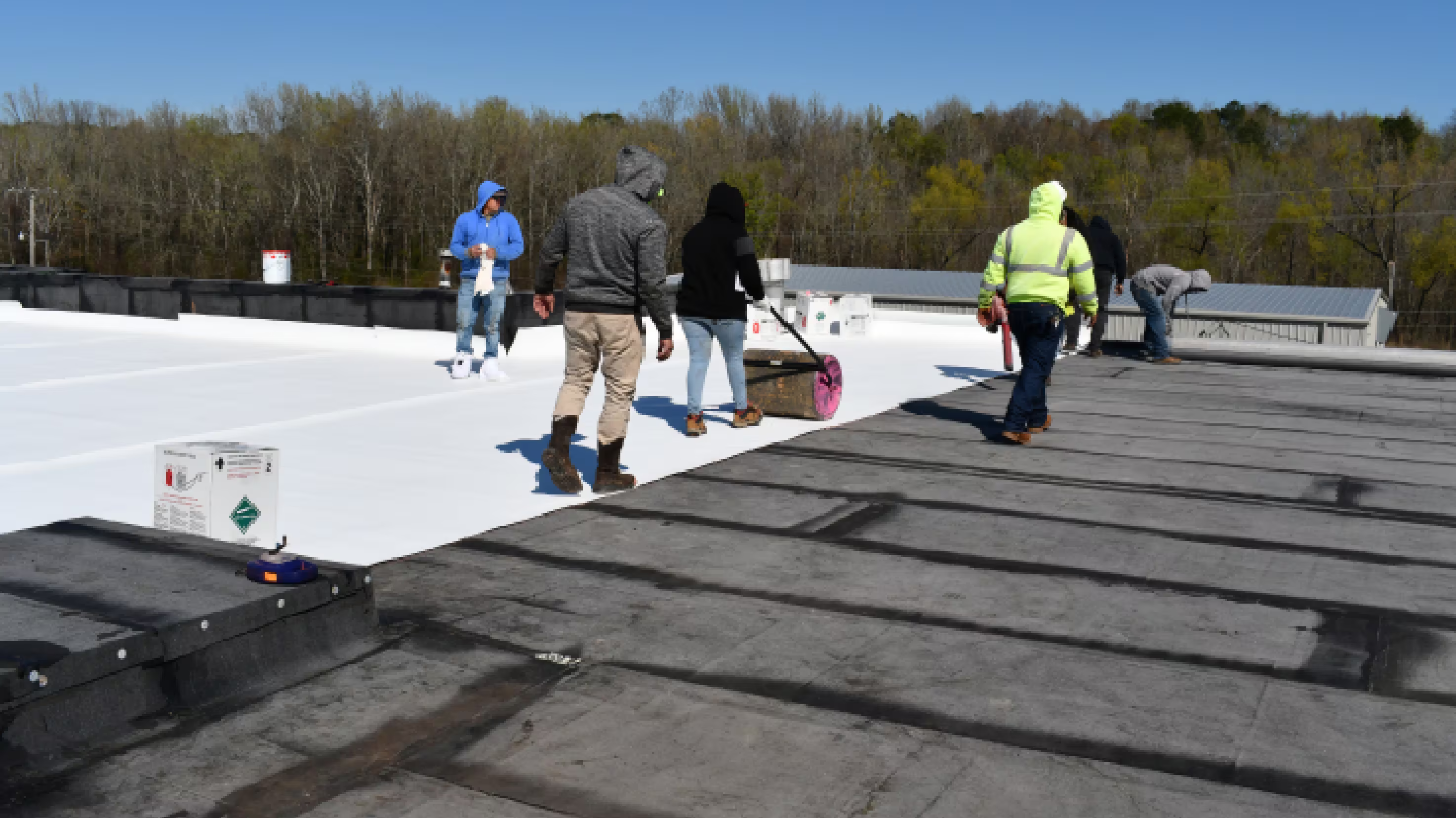
Denver Climate Factors in Single-Ply System Design
Single-ply roofing for Denver commercial buildings - mechanically attached and fully adhered TPO, PVC, and EPDM with FM 4470 Class 1 or UL 2218 Class 4 impact-rated cover board as standard for Colorado's hail belt.
TPO, PVC, and EPDM single-ply membranes specified and installed for Denver's actual environment - altitude UV, 30 psf snow loads, Front Range Chinook winds, and annual hail exposure that demands FM 4470 Class 1 or UL 2218 Class 4 impact-rated cover board in every system.
Single-ply dominates new commercial roofing in Denver for the same reasons it dominates nationally: installation speed, manufacturer warranty confidence, reflective membrane compliance with Colorado energy code, and a 30-plus-year track record in the Front Range climate. TPO, PVC, and EPDM account for the large majority of new commercial membrane installations across Denver County and the surrounding metro counties. What makes a Denver single-ply specification different from a generic one is the environmental requirement stack: altitude UV degradation running 25 to 30 percent faster than sea level, 90 to 110 annual freeze-thaw cycles driving flashing and expansion joint failures, 30 psf ground snow load under ASCE 7-22, Chinook wind events producing sustained gusts above 60 mph along the Front Range, and an annual hail season that makes FM 4470 Class 1 or UL 2218 Class 4 impact resistance a practical requirement rather than an insurance preference.
The attachment method decision is where Denver single-ply specifications earn or lose their long-term value. Mechanically attached systems are economical and fast but generate membrane flutter under Chinook gusts that fatigues seam laps over time in a way that does not occur in markets without sustained high-wind events. Fully adhered eliminates flutter but requires a dimensionally stable cover board substrate, which - in Denver's hail belt - should be HD polyiso or HD gypsum regardless of attachment method. We design the attachment method into the scope document with the wind-uplift calculation, the substrate assessment, and the cover board specification presented explicitly, not buried in a line item.
Every single-ply system we install in Denver includes HD cover board as a non-negotiable component. Standard-density polyiso under a single-ply membrane is code-compliant but fails to qualify for FM 4470 Class 1 or UL 2218 Class 4 impact resistance - the rating that most Colorado commercial property insurers require for premium qualification and that the Denver hail environment demands in practice. The cover board is in every Denver spec we write.
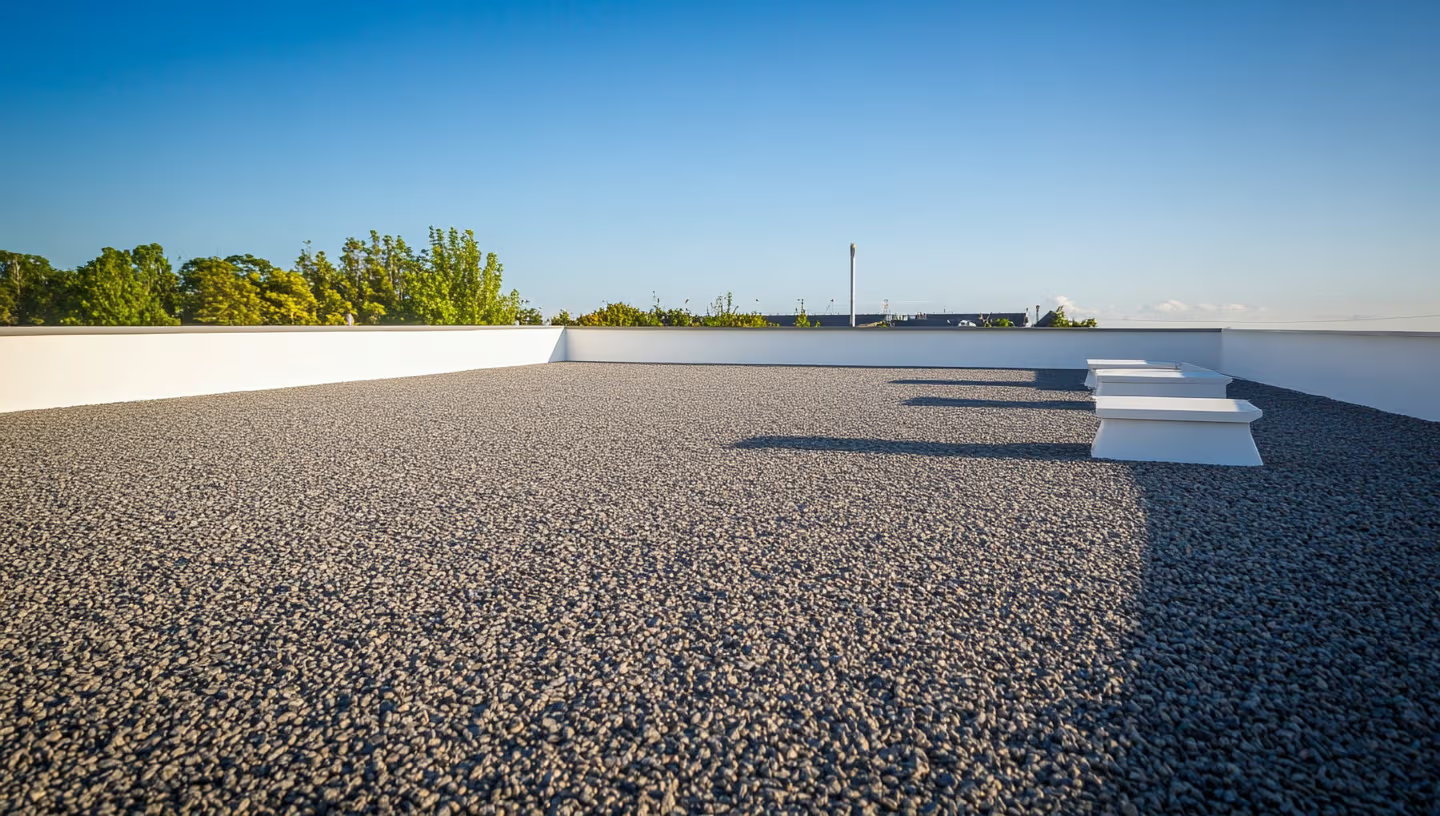
Ballasted: Membrane loose-laid under washed river stone ballast at 10 to 12 psf. No fasteners, no adhesive. Denver commercial buildings under ASCE 7-22's 30 psf ground snow load design value have limited structural margin for the additional ballast dead load on most metal deck systems - ballast plus snow load combined approaches or exceeds the deck design capacity on light-gauge steel construction. We do not specify new ballasted single-ply on Denver commercial buildings. Where existing ballasted systems exist on pre-1990 construction, we evaluate the structural margin before recommending a ballasted recover versus a full tear-off to reduce dead load.
Hail and cover board: FM 4470 Class 1 and UL 2218 Class 4 impact resistance requires HD polyiso or HD gypsum cover board in the insulation stack - this is the specification requirement that most low-bid contractors omit and the one that the first significant Front Range hail event makes visible. We provide FM 4470 Class 1 or UL 2218 Class 4 assembly certification documentation at closeout on every Denver single-ply installation. Colorado commercial property insurers use this documentation in premium underwriting, and we make it available in the format their underwriters require.
Is HD cover board really required on Denver commercial single-ply installations?
Can single-ply be installed over an existing Denver roof without full tear-off?
What is the difference between an FM-rated and a manufacturer-warranted single-ply system on a Denver commercial building?
Single-ply specification and installation on your Denver building.
| Scope Format | Written roof plan and photo record |
|---|---|
| Primary Market | Denver commercial buildings |
Commercial Re-Roofing in Denver, CO
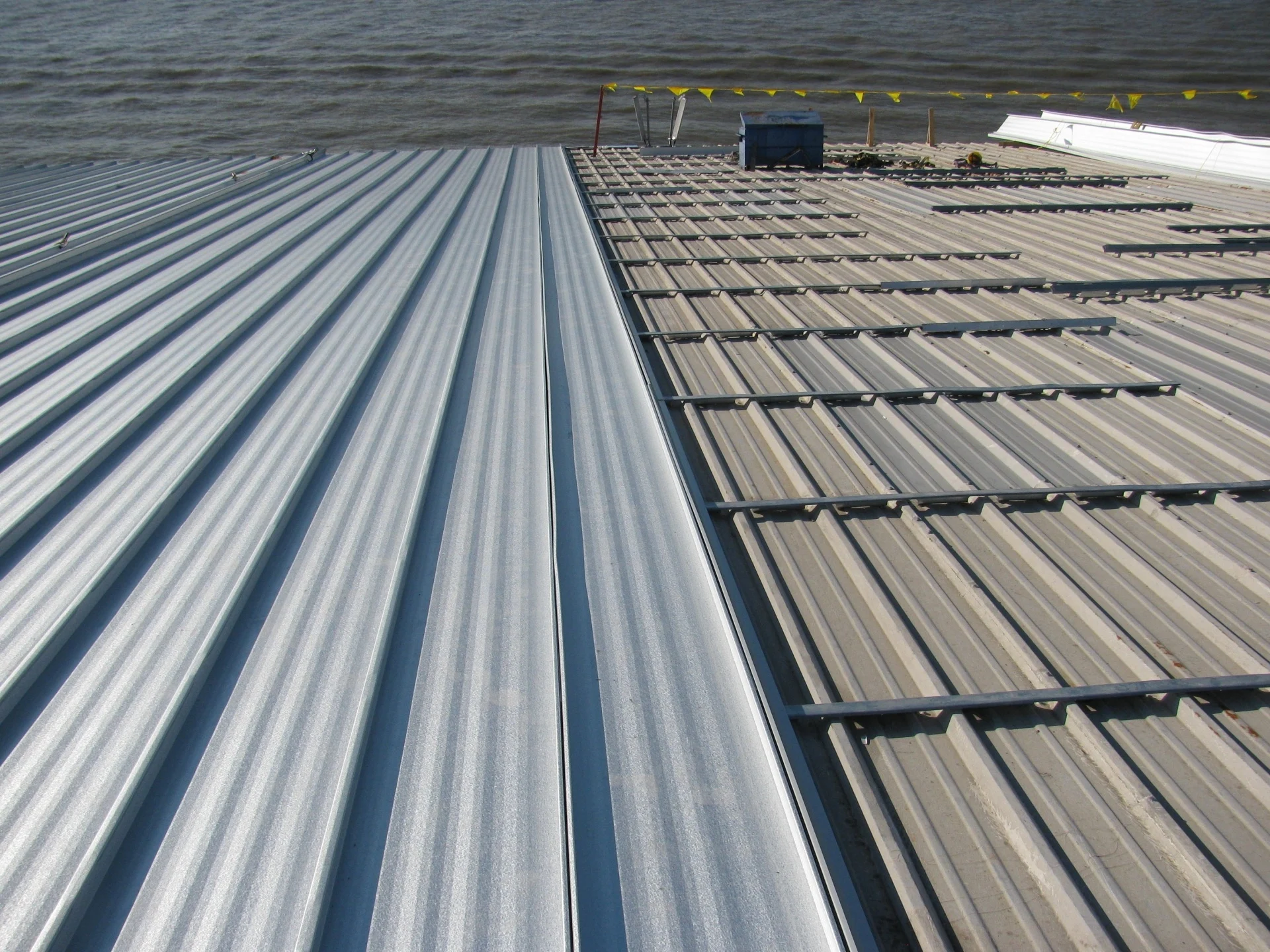
Commercial Re-Roofing for commercial buildings across Denver.