What We Walk and What We Document
Documented commercial roof inspections across the Denver metro - zone-keyed photo logs, drain verification, parapet and flashing assessment, and capital-ready deliverables for facility teams managing Colorado's hail belt and freeze-thaw cycle.
A documented inspection is the difference between catching a $5,000 flashing repair before it becomes a $50,000 interior claim. In Denver's climate - 90 to 110 freeze-thaw cycles per year, hail from May through August, and UV intensity 25 to 30 percent above sea level - the intervals between inspections determine whether small failures stay small.
Most Denver facility managers find out about a roof problem through a ceiling tile or a tenant call. By that point, water has already been traveling through the assembly - typically for weeks, sometimes months - and the freeze-thaw cycling that characterizes Denver's climate has been expanding and contracting whatever gap it found. Annual inspections catch precursor conditions before they become interior events: a lifted flashing lap at a parapet corner, a drain rim packed with cottonwood debris, an expansion joint cover that has been pulled apart by differential thermal movement between two building sections.
We inspect commercial roofs on a scheduled-route basis across the Denver metro. Buildings in the LoDo and Union Station corridor get inspected on our downtown Denver cycle. Buildings along the I-25 Tech Center corridor and in Lone Tree get inspected on our south metro route. Buildings along Colfax and the industrial strips running off I-70 in Aurora and Commerce City get their own route. Each inspection produces the same deliverable: a zone-keyed photo log tied to a numbered roof map, a condition score per zone, and a scope column that distinguishes immediate repairs from items to watch.
The deliverable format matters in a hail-belt market. An inspection report that is only a narrative paragraph cannot support an insurance claim. Our reports are structured so your CFO can read the scope column and price deferred items into a capital budget without calling us back for clarification - and so an adjuster can use the pre-storm documentation to establish what was there before the event. That discipline is the standard we hold on every building we walk.
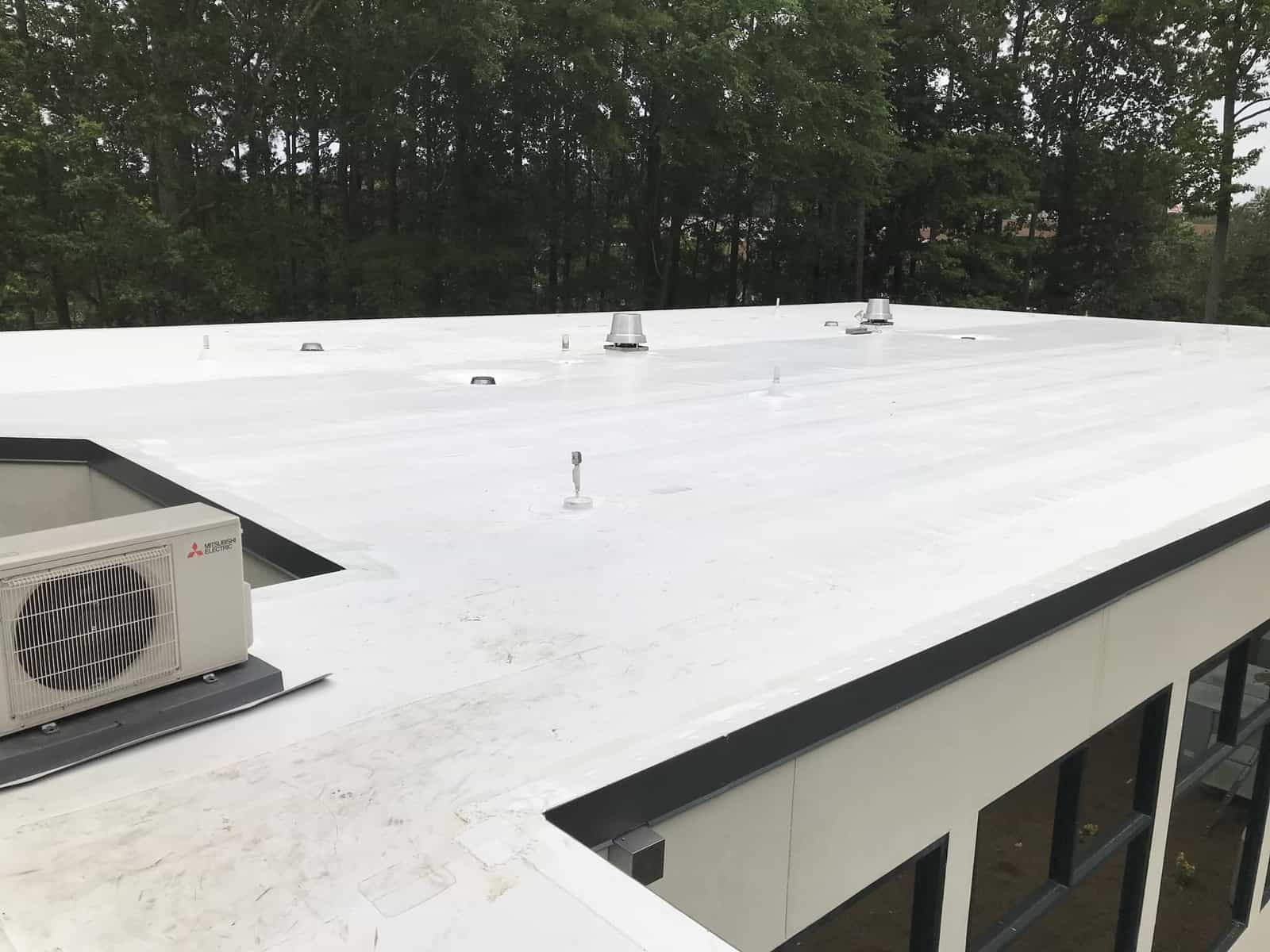
Membrane condition: We photograph every field seam we can access, every lap, every area of membrane blistering, shrinkage, or surface degradation. At Denver's altitude, membrane aging accelerates - UV radiation at 5,280 feet is significantly more intense than at sea level, and white or light-gray reflective membranes discolor and chalk faster than manufacturers' sea-level service-life tables predict. EPDM shrinkage at parapets is a consistent finding on Denver buildings constructed in the 1990s, and we flag it before it opens a water path.
Drains and scuppers: We pull every drain cover, check the clamping ring for corrosion and seating, verify the bowl is clear of debris, and confirm the drain leader is accepting flow. Denver's spring cottonwood release - typically running four to six weeks in May and June - loads roof drains faster than any other debris source in the metro. A drain that was functioning after the April hail season can be 40 percent blocked by cottonwood seed by mid-June. We document every drain's status and flag partial blockages before they become ponding events during summer afternoon thunderstorms.
Parapets and flashings: Every parapet cap joint, every reglet, every counterflashing lap, every pipe penetration boot, and every HVAC curb flashing. Denver's failures faster than in markets with fewer but more extreme cold events - the repeated cycling stresses sealant joints, separates base flashing terminations, and works open parapet cap laps that were tight the previous spring. These are the highest-probability leak sources on any Denver commercial flat roof.
Equipment curbs and penetrations: Conduit penetrations, gas line penetrations, exhaust vent boots, and equipment supports. We photograph the flashing condition at each one and flag any showing sealant shrinkage, separation, or missing components. Altitude temperature swings produce thermal cycling at equipment curbs that exhausts pipe boot neoprene faster than manufacturers' published service lives suggest.
Expansion joints: We verify the joint cover is seated and that the expansion gap has not been packed with debris or filled with rigid caulk, which defeats the purpose and leads to membrane tearing. Denver buildings experience both thermal expansion cycling and, on some sites, soil movement from freeze-thaw in the upper soil layers - joint covers must be sized for the actual movement range.
The Deliverable Format
Every inspection produces a numbered roof zone diagram - typically four to eight zones per building depending on roof complexity - with each zone assigned a condition grade, a summary of observed conditions, and a scope column with three rows: Immediate (address within 60 days), Monitor (re-evaluate at next visit), and Capital (budget for the next one to three years).
All photos are keyed to zone numbers and item descriptions in the report. There is no ambiguity about where a photograph was taken. Adjusters, asset managers, and property owners have consistently told us this format is the standard they wish every contractor delivered. We developed it because we were tired of getting calls to explain our own reports after a hail event when the building owner needed the documentation fast.
We deliver the inspection report as a PDF within five business days of the roof walk. Clients on annual or semi-annual inspection contracts receive their reports on a schedule that syncs with capital budget cycles - most Denver clients want their pre-hail-season inspection in April, before the May through August storm window, and a post-storm-season inspection in September.
Inspection Frequency - Annual vs. Semi-Annual
Semi-annual inspections are appropriate for roofs with known deferred maintenance, roofs in the last five years of a warranty term, buildings with prior leak events or active tenant complaints, and any building whose owner is preparing for a sale or refinancing. Denver's hail season and the cottonwood debris window create two annual inflection points when roof condition can change sharply. A pre-May inspection and a post-August inspection catch the bracket - hail damage before it migrates through fall, and winter prep before freeze-thaw cycling begins in earnest.
Roofs over occupied sensitive spaces - hospital procedure wings, data center floors, occupied archive storage - should be inspected semi-annually regardless of membrane age. We run inspection schedules for medical-office buildings on the Anschutz campus and in the I-225 medical corridor where the interior occupancy demands a conservative inspection cycle regardless of what the membrane's age might suggest.
Frequently asked questions
Can I use your inspection report to support an insurance claim after a Denver hail event?
Yes. Our reports document observed conditions with dated photographs and written condition descriptions. If you have a pre-storm inspection report on file, it establishes a documented baseline that an adjuster can use to distinguish pre-existing conditions from event-related damage - the most contested issue in commercial hail claims. For inspections conducted specifically to support a claim after a storm event, we structure the report to
What happens if you find something that needs immediate repair during the inspection?
We flag it in the Immediate scope column and call your facility contact the same day. For conditions presenting an active leak risk - an open flashing termination, a drain completely blocked before a forecast storm - we discuss emergency temporary repair at the time of inspection so the building is not left exposed between the walk and the written report.
Do you inspect roofs that you did not install?
Yes. Most buildings on our inspection routes were installed by other contractors. We document what we find - not what we want to find - and we are not in the business of manufacturing scope to replace a competitor's work.
| Scope Format | Written roof plan and photo record |
|---|---|
| Primary Market | Denver commercial buildings |
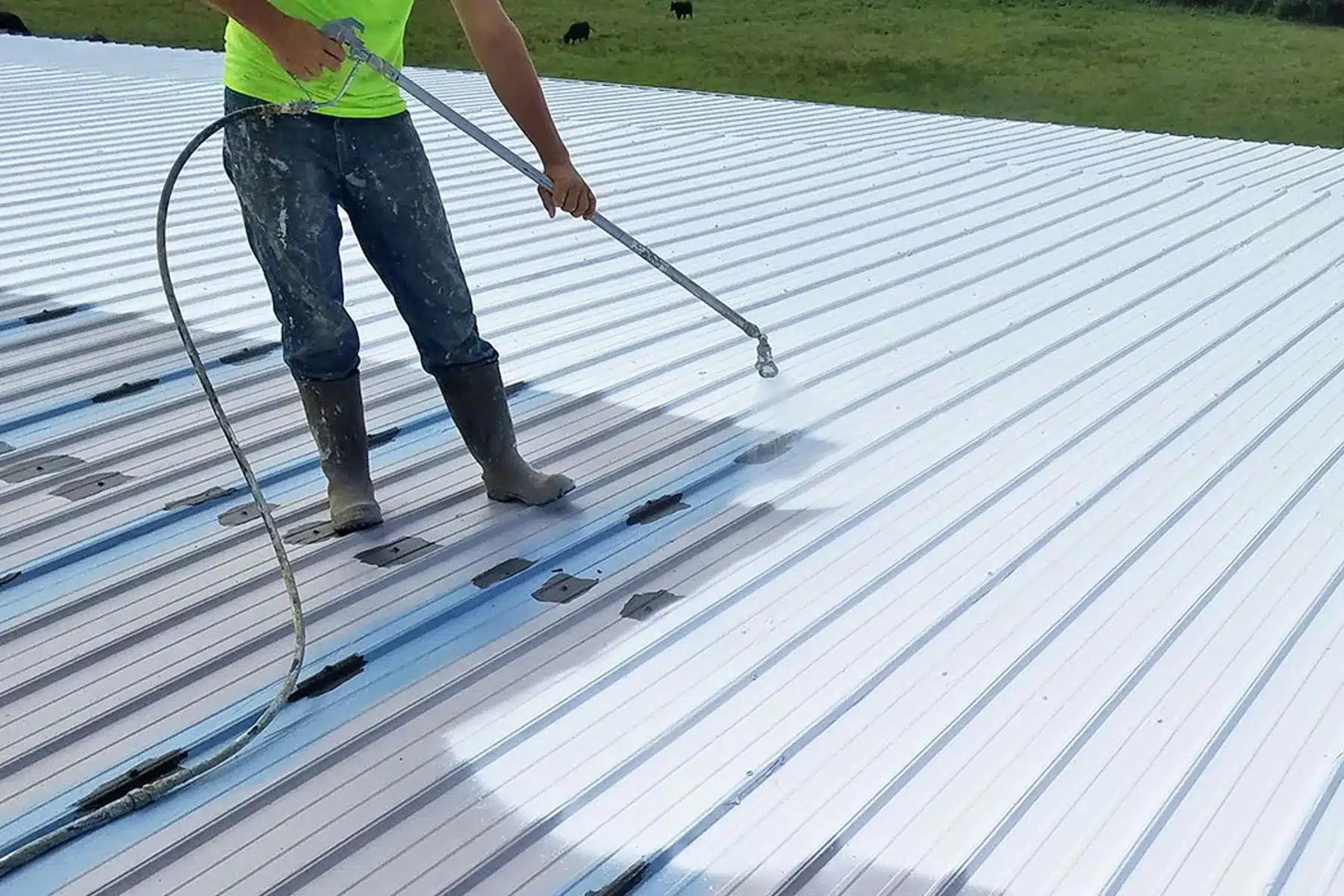
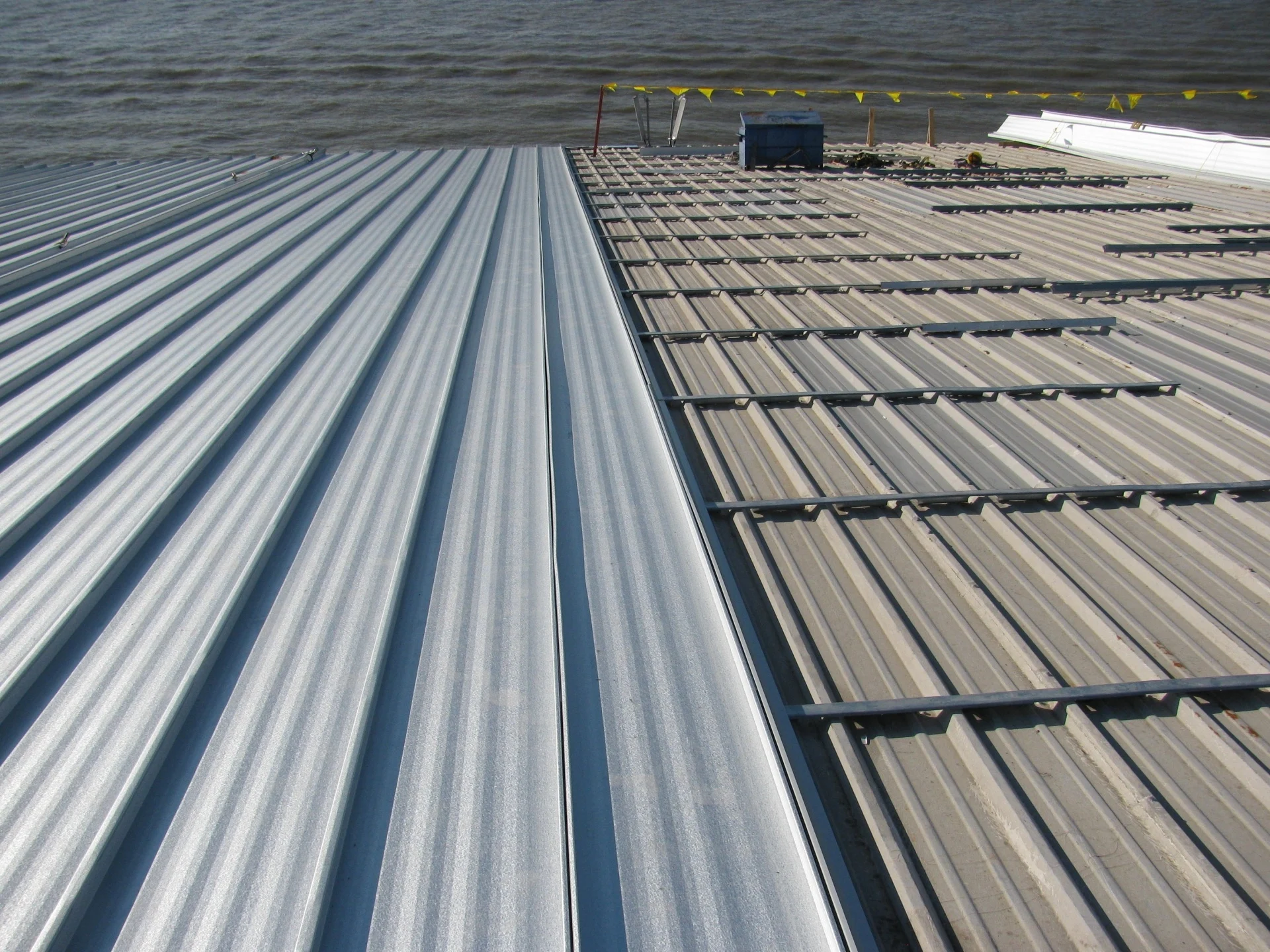
Commercial Re-Roofing in Denver, CO
Commercial Re-Roofing for commercial buildings across Denver.