Questions Owners Ask
Industrial Roofing for manufacturing facilities, warehouses, and industrial buildings throughout Denver area.
Industrial roofing at 5,280 feet in Denver is its own discipline, and contractors who don't account for the altitude-specific factors - UV radiation intensity, rapid atmospheric pressure changes, and the temperature swings that can drop 70 degrees in a matter of hours - produce roofing systems that fail years ahead of their rated service life. We've been working in this market long enough to understand that the specifications that work in Kansas City or Salt Lake City need to be meaningfully adjusted for the Denver climate, and we've built every part of our practice around what actually performs here, not what the product data sheet says should work at sea level.
The I-70 industrial corridor through Commerce City is one of the most historically significant industrial zones on the Front Range. Refineries, petroleum storage facilities, manufacturing plants, and distribution operations have occupied this corridor for over a century, and the roofing stock reflects that history - a mix of industrial building types from different eras, each with its own legacy systems and current condition profile. We work extensively in the Commerce City industrial area and we understand the specific roofing challenges of petroleum-adjacent and chemical processing facilities: membrane compatibility with hydrocarbon exposure, hot work restrictions near fuel storage areas, and the heightened safety protocols that industrial safety managers at those facilities require from any contractor working on the property.
The Globeville and Elyria-Swansea neighborhoods, immediately north of downtown Denver, represent the city's legacy heavy industrial district. Like similar inner-city industrial zones in Chicago and Cleveland, the legacy buildings in that area carry complex roofing histories and structural conditions that require careful assessment. The area has also been the subject of significant environmental remediation activity related to its industrial past, and that context affects how tear-off debris is handled - in some locations, disturbed materials require specific handling and disposal procedures that standard commercial roofing tear-off doesn't contemplate. We know which sites have those requirements and how to comply with them.
Denver's weather is the definition of extreme variability. Fourteen inches of annual precipitation sounds modest, but it arrives in concentrated events - summer afternoon thunderstorms that can drop an inch of rain in 20 minutes, and fall/winter snow events that can deposit 24 inches of wet, heavy mountain-moisture snow before clearing to blue sky. The temperature swings are genuinely dramatic: a January day that starts at -5°F and reaches 55°F in the afternoon, or a September storm that drops from 80°F to 32°F with 18 inches of snow over 24 hours. Every roofing detail we design for Denver needs to accommodate that full range - from the membrane's cold-temperature flexibility at single-digit temperatures to its heat resistance at 160°F+ summer surface temperatures.
UV radiation at Denver's altitude is approximately 25 percent more intense than at sea level, and the impact on roofing membranes is measurable. TPO membranes experience accelerated surface oxidation at altitude, and systems installed without accounting for that intensity can show surface chalking and brittleness years ahead of the manufacturer's service life projections based on lower-altitude testing. We specify 80-mil TPO as our standard on Denver industrial projects - not the 45-mil or 60-mil minimum that some specifications call for - and we select specific product formulations from manufacturers who have validated their UV resistance at altitude. The additional material cost is modest; the reduction in premature failure is significant.
Longmont, Boulder County, and the northern Front Range tech manufacturing corridor represent a growing segment of our industrial roofing work. The semiconductor equipment manufacturers, aerospace components suppliers, and precision manufacturing operations in that corridor have the same operational sensitivity and documentation requirements as the tech manufacturing facilities we work on in Austin and Columbus. We've developed the capabilities to serve those clients appropriately - not just technically, but in terms of the quality documentation, pre-job planning rigor, and operational sensitivity that precision manufacturing facilities require from every contractor who works on their buildings.
Snow load management on Denver industrial buildings is a year-round planning concern, not just a winter issue. Denver's snowfall pattern includes wet, heavy snows that can arrive as late as May and as early as October, and those transitional-season events are often the most structurally significant because the snow density is higher than midwinter continental snowfall. We recommend that building owners with older roofing systems or known drainage limitations have pre-season assessments done in September, before the first major storm event of the season. We also install emergency drain protection - heated drain inserts, scupper heat tape - on buildings where drain freezing is a credible risk given the drainage design and building thermal profile.
The Rocky Mountain Arsenal area, now a wildlife refuge and mixed-use development zone east of Commerce City, still has adjacent industrial development that benefits from its location near the I-70 and I-270 interchange. The former Arsenal's industrial heritage has shaped the surrounding area's character, and the industrial buildings in that zone operate in an environment with specific legacy environmental considerations that affect how site work is conducted. We are familiar with the protocols for working in areas with environmental sensitivity, including waste stream management, spill prevention, and the contractor documentation requirements that EPA-supervised sites sometimes impose.
Our approach to every Denver industrial roofing project starts with an honest accounting of what this specific location requires. Altitude matters. Temperature variability matters. The rapid freeze events that arrive with no warning matter. These aren't edge cases or exotic conditions - they're the Denver experience, every year, on every industrial building in the metro. Building owners who understand that their location demands a higher specification standard than other markets get roofs that perform as promised. Those who treat Denver like Denver is just another flat city at sea level are the ones calling us five years into a ten-year warranty wondering why they're leaking.
It's real and it's well-documented. UV radiation intensity increases approximately 8 - 10 percent per 1,000 feet of elevation, which means Denver's 5,280-foot altitude delivers roughly 25 percent more UV to roofing materials than a sea-level installation. That additional radiation accelerates oxidation and embrittlement in polymeric membranes - the same processes that degrade the material, just faster. Additionally, the atmospheric pressure at altitude affects how adhesives and sealants cure and bond, and the more extreme temperature cycling at Denver (greater daily range and more frequent cold-to-warm transitions) creates more mechanical fatigue on seams and flashings than moderate-climate markets experience. We account for all of these factors in our specifications, and the buildings we've maintained over decades in this market perform measurably better than comparable buildings specified for lower-altitude standards.
Denver's precipitation pattern is dominated by low-water-content continental snowfall for most of the winter - the kind of dry, powdery snow that skiers love and that doesn't load roofs heavily. But the metro also gets wet, heavy mountain moisture events - particularly in spring and fall when Pacific moisture pushes over the Rockies - and those events deposit significantly heavier snow per inch of accumulation than the dry winter pattern. We design drainage systems for Denver industrial buildings to handle the concentrated rainfall intensity of summer thunderstorms rather than annual average precipitation, and we assess snow load risk based on the wet snow events rather than typical snowfall. A building that handles 30 inches of dry January snow without issue can be stressed by 12 inches of wet October snow if its drainage is blocked and the load concentrates at low points.
Proximity to petroleum or chemical facilities doesn't necessarily restrict your roofing options, but it affects material selection and hot work management. If your building has any direct hydrocarbon exposure - fuel vapor from adjacent facilities, petroleum-based dust from aggregate storage, or spills that could contact the roof surface - we verify membrane compatibility with those specific substances before specifying. Most TPO and PVC membranes have adequate resistance to incidental hydrocarbon exposure; prolonged immersion is a different story. For hot work restrictions near fuel storage areas, we use cold-process adhesive installation methods or specify systems that don't require torch application when the hot work permit situation makes torch work impractical or prohibited by the neighboring facility's safety requirements.
The Denver "chinook reversal" scenario - where a day starts warm and drops 50+ degrees in hours - is the weather event that creates the most urgent roofing concerns. If a large temperature drop arrives with precipitation, you can have rain at the beginning of the event and ice on the roof an hour later, with drainage blocked before the precipitation has fully cleared. Our emergency preparedness recommendations for Denver industrial building owners include: maintain operational heat tape or self-regulating cable on primary roof drains; confirm scupper openings are clear before any forecast significant weather event; and have our emergency response contact in your facilities team's contact list. For buildings with production or inventory sensitivity, we recommend a post-storm roof walk within 24 hours of any significant rapid-freeze event to confirm drainage is functioning and that no ice damming has developed at parapet walls.
Both systems perform well in Denver when properly specified for the altitude and climate. Modified bitumen's strength in this market is its multi-ply redundancy - a two-ply system provides backup waterproofing if the cap sheet is compromised, which matters in a hail-prone market. Single-ply TPO and EPDM's strength is their proven flexibility at very low temperatures and the heat-welded or adhesive-bonded seam systems that can accommodate Denver's significant thermal movement range. On flat, uncomplicated roof geometries, fully adhered 80-mil TPO is our most common specification for Denver industrial buildings. On complex rooftops with many penetrations and equipment curbs, we often use modified bitumen for the base and field area with TPO at simpler sections - the right tool for the specific condition.
Frequently asked questions
Can you repair a leaking BUR roof in Denver without full replacement?
Sometimes. If the leak is isolated to a failed flashing at a penetration or parapet - common on Denver BUR roofs where freeze-thaw cycling works parapet base flashings loose - and the BUR field membrane is in sound condition confirmed by core cuts, targeted repair is the right scope. If the leak is coming from failed plies in the field, repair at the visible leak point will produce another leak nearby within one to two winters as freeze-thaw expands the moisture path. We will tell you which situation you are in before recommending any scope.
How do you handle gravel removal on a BUR tear-off in Denver?
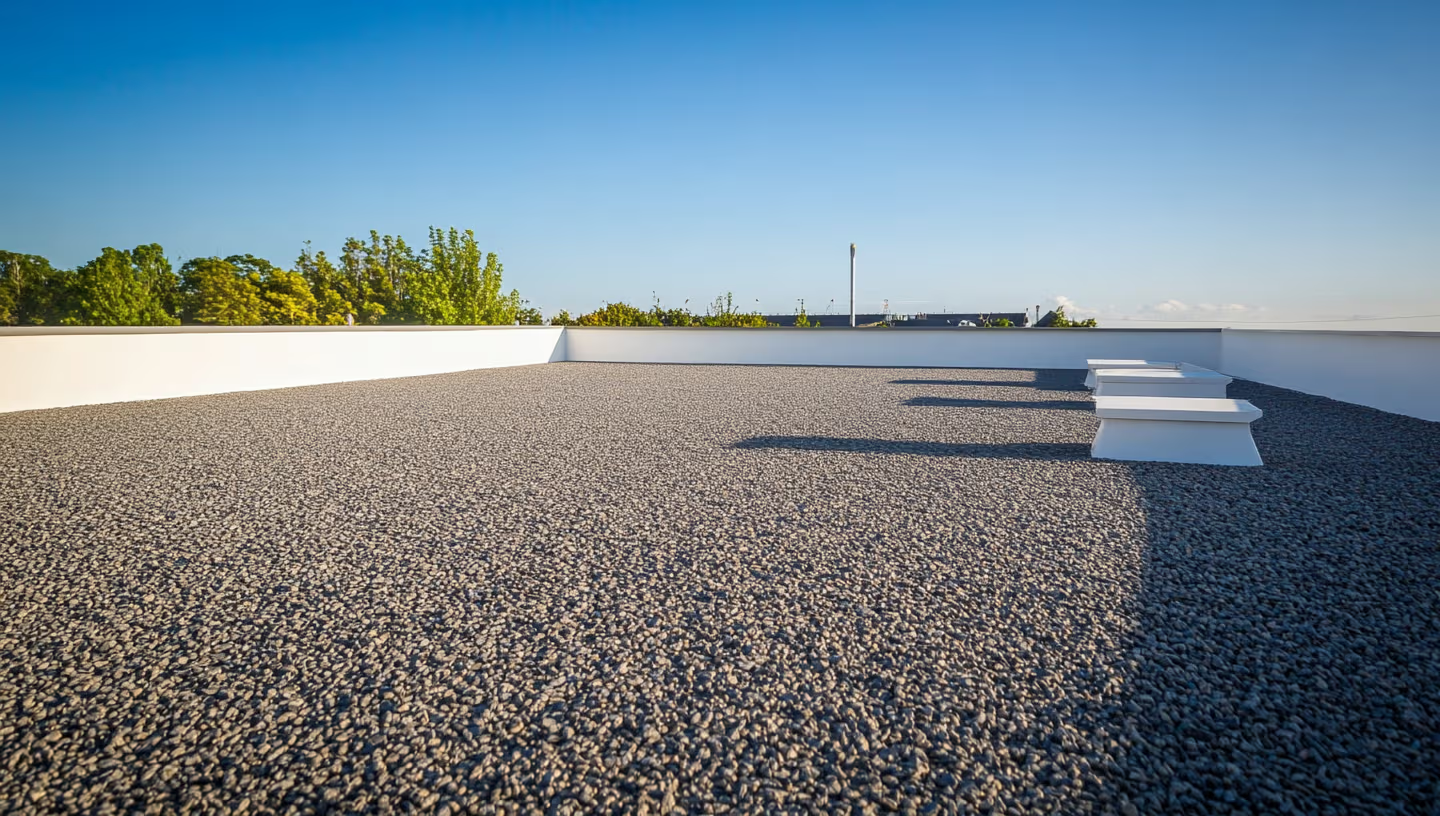
Gravel-surfaced BUR tear-off is labor-intensive and generates significant debris volume. On downtown Denver buildings with restricted site access - LoDo, the Golden Triangle, the 17th Street corridor - we use rooftop vacuum systems for gravel removal where dumpster placement is constrained by parking, street access, or neighbor proximity. Gravel is collected separately and coordinated for recycling at aggregate facilities when the owner's sustainability reporting requires documented diversion.
Is built-up roofing still installed new in Denver?
Rarely. New BUR has been largely displaced by SBS-modified bitumen, which achieves similar multi-ply performance with less installation complexity and without the hot-kettle and asphalt-fume exposure that creates complications in occupied urban Denver buildings. We can specify and install new BUR when a project requires it, but for most Denver commercial buildings, SBS modified bitumen or TPO with impact-rated cover board is the defensible recommendation for new work.
Aging BUR on a Denver commercial building?
We will walk the roof, pull core cuts, and produce a written assessment - replace vs. recover, with system options, installed cost bands, freeze-thaw and hail-resistance specifications, and warranty paths. No obligation.
| Scope Format | Written roof plan and photo record |
|---|---|
| Primary Market | Denver commercial buildings |
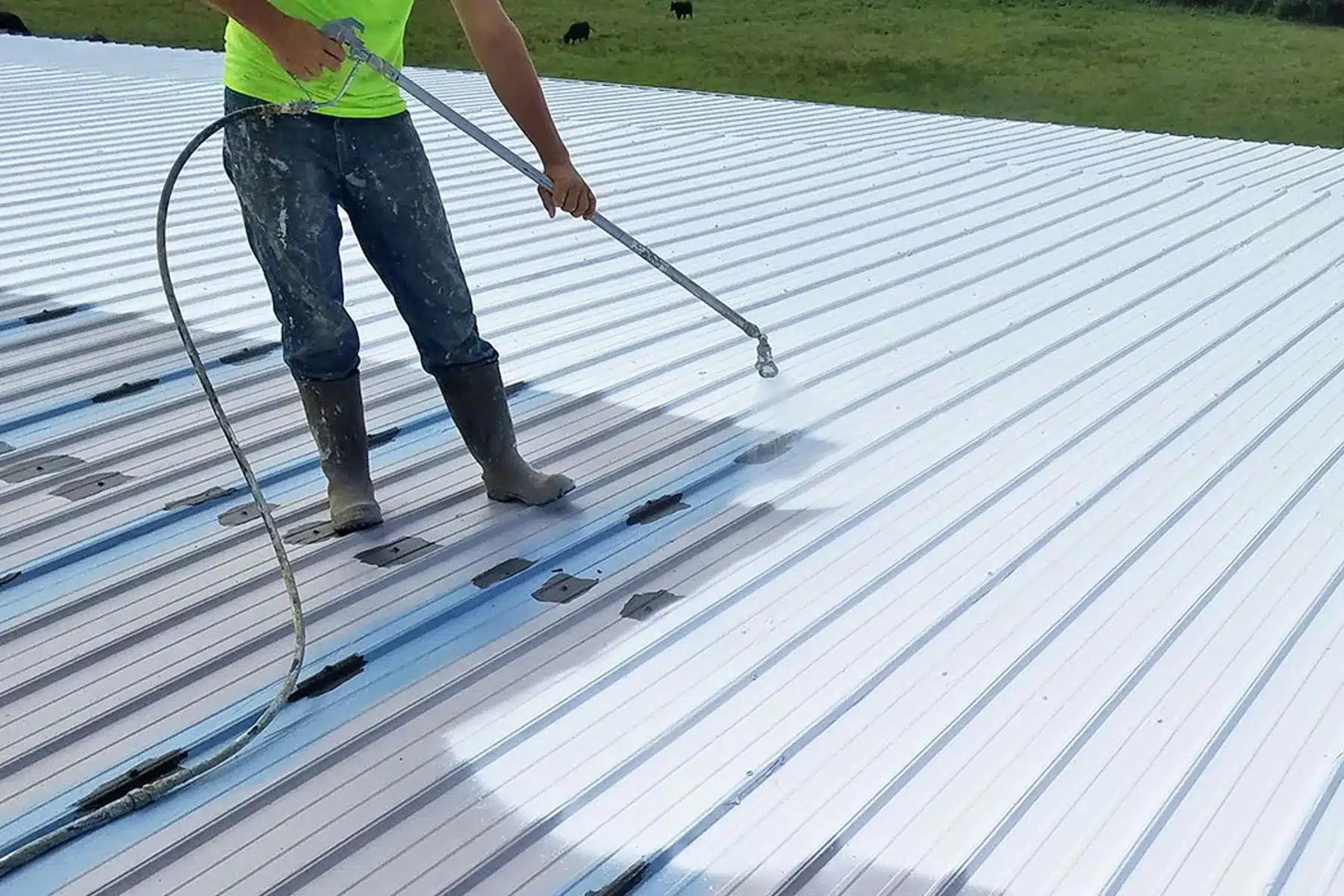
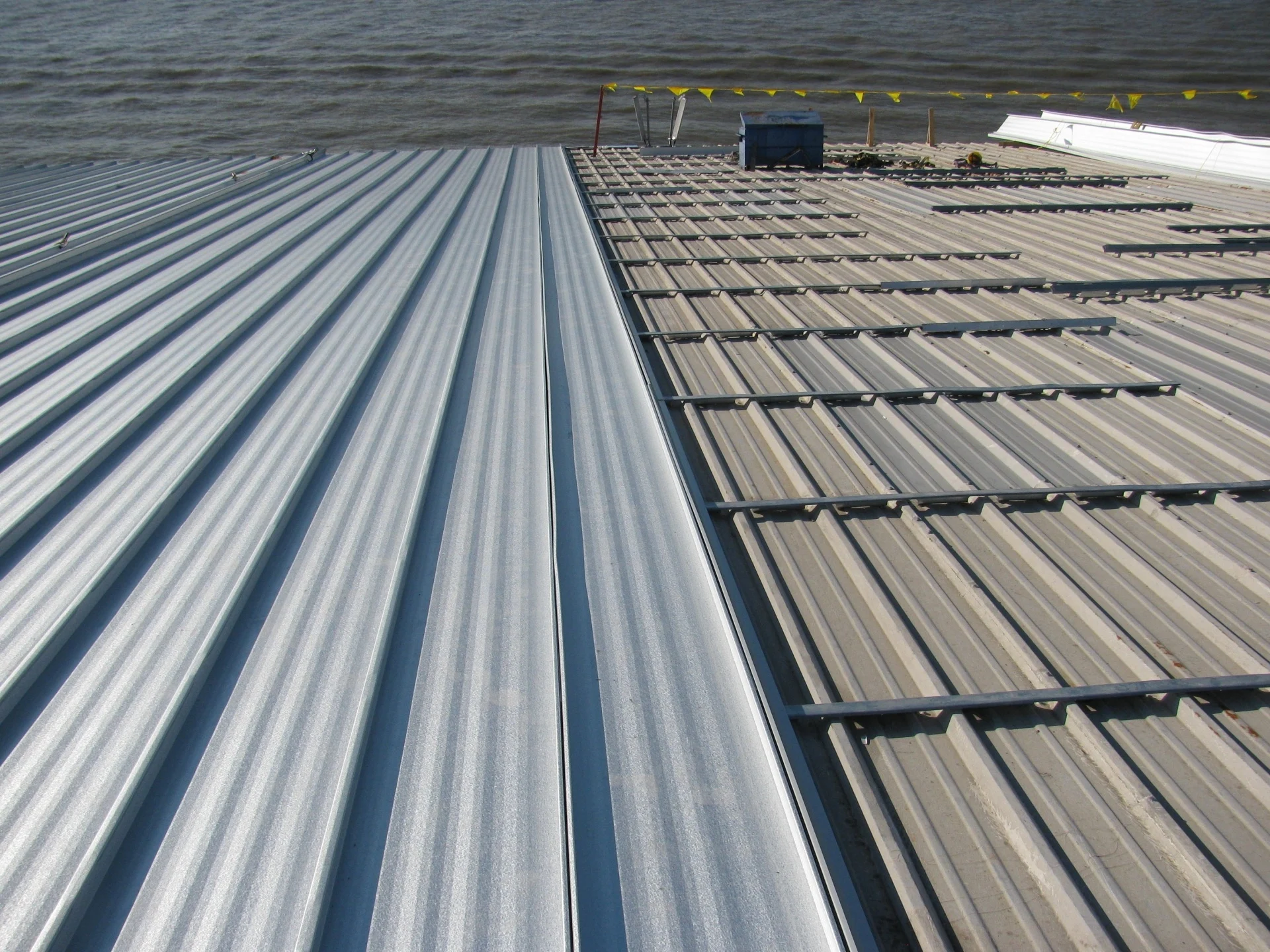
Commercial Re-Roofing in Denver, CO
Commercial Re-Roofing for commercial buildings across Denver.