What a Complete Claim Documentation Package Includes
Commercial roof insurance claim documentation in Denver, CO - damage photos, moisture scans, adjuster walk-throughs, and complete-scope written reports for hail, wind, and storm claims.
When hail, wind, or a hard freeze-thaw cycle damages a Denver commercial roof, the claim usually turns on one thing: whether the damage got documented before the tear-off started, the tarp went up, or the adjuster's report became the only record anyone has to work from. We're your roofing contractor, not a public adjuster - we document and substantiate the roof damage so you and your adjuster work from an accurate scope.
We work commercial flat roofs across the Denver metro - the 17th Street and Broadway office corridor, Cherry Creek and LoDo mixed-use, the DIA-corridor warehouse and distribution stock along Pena Boulevard, and the retail and light-industrial inventory through Aurora, Lakewood, and Commerce City. A claim on any of those buildings needs the same thing: a written record that ties the damage to the storm event, separates it from anything that was already wearing out before the storm hit, and states the full repair or replacement scope the roof actually needs - not the minimum a first pass might miss.
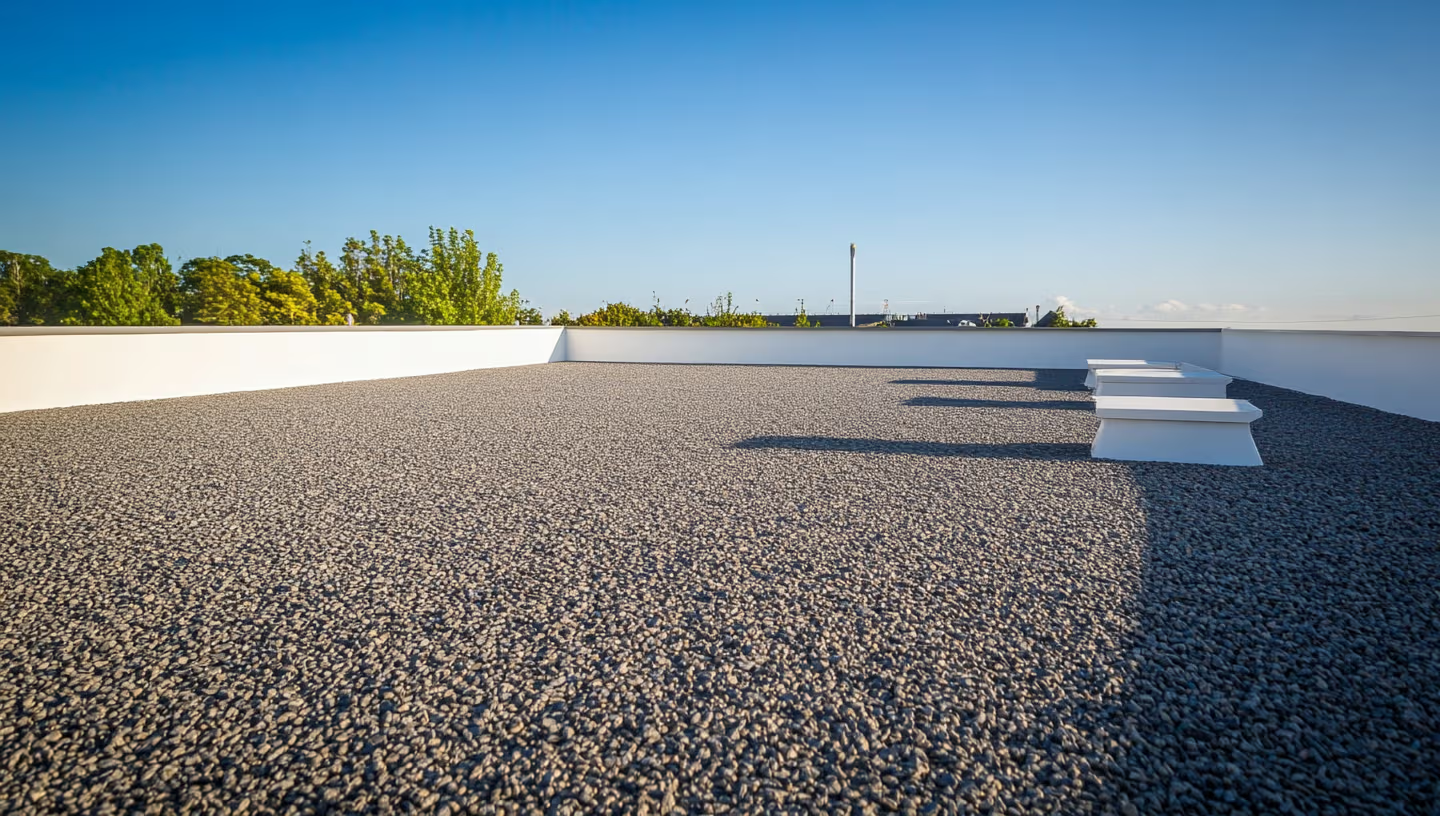
Before anything gets torn off or covered with a tarp, we walk the roof and build a zone-by-zone photo record: every membrane puncture, every area of granule loss or bruising, every displaced coping cap, every parapet flashing run showing wind separation. Where damage type is ambiguous - hail bruising under a single-ply membrane, for example - we pull core samples so the insulation condition is documented rather than argued about later. Moisture scanning identifies any area where water has already gotten into the roof assembly, which matters for both the repair scope and for separating storm-caused saturation from a pre-existing leak history.
That record becomes the basis for a written scope: what's damaged, where, how it happened, and what it takes to put the roof back to a sound, code-compliant condition. It is not a sales estimate and it is not a negotiating position - it's a technical document built from what we found on the roof, dated and photo-keyed so anyone reviewing it later can trace every line back to a specific location.
Meeting the Adjuster on the Roof
We meet the insurance adjuster on site for the inspection whenever the building owner wants a roofing contractor present. Our role in that meeting is narrow and specific: walk the same roof plan, point to the same damage we already documented, and answer technical questions about membrane condition, fastening patterns, or why a particular repair method is or isn't appropriate for that roof system. We don't negotiate the claim in that meeting or advocate for a settlement number - we make sure the adjuster is looking at the same complete picture we documented, not a partial one.
Framing the Complete Scope
The most common gap in a Denver commercial roof claim isn't missed damage - it's an incomplete scope. Current building code in most Denver-metro jurisdictions requires bringing a damaged roof section up to current code when a significant portion is replaced, which can mean upgraded insulation R-values, updated parapet height or coping details, or drainage changes that weren't part of the original roof. A repair estimate that only covers the punctured membrane and skips the code-driven scope leaves the owner covering that difference out of pocket. We itemize those requirements in the written scope so the full, accurate cost of putting the roof back in compliant condition is part of the record from the start - not something discovered mid-project.
Matching is the second common gap. Where a membrane, coating, or metal panel run is discontinued or the replacement section would create a visible or performance mismatch with the undamaged roof area, we document that in the scope as well, consistent with most Colorado commercial policies' matching provisions.
When a Claim Comes Back Denied or Underpaid
If a carrier's initial determination doesn't reflect what we documented on the roof - a denial based on "pre-existing wear," or a scope that leaves out code-required items or matching - we can re-inspect, pull additional core samples if the dispute is about damage type, and issue a supplemental written scope with the additional documentation attached. We inspect, measure, and photograph the roof and produce the technical record. We are not a public adjuster, and we don't negotiate your settlement or guarantee what the carrier approves.
Frequently asked questions
Does insurance cover commercial roof replacement in Denver?
It depends on the cause and the policy. Most commercial property policies cover roof damage from a covered peril - hail, wind, and similar storm events are the most common on the Front Range. Whether a claim results in repair or full replacement depends on the extent of documented damage and the specific policy terms. We document the damage; the coverage determination is between you and your carrier.
What does the claim process look like for a Denver commercial roof?
Roof walk and full documentation first - photos, moisture scan, core samples where warranted - before any repair work starts or a tarp goes up. That record supports the claim you file. We can meet the adjuster on the roof if you'd like a roofing contractor present for the inspection, and we deliver a written scope you can submit with the claim.
What if our claim gets denied?
We re-inspect and review the denial against what we documented. If the denial cites pre-existing condition and our record shows otherwise, or if damage type is disputed, we can pull additional core samples and issue a supplemental scope with that documentation attached for you or your adjuster to submit.
Do you handle repair or full replacement, or does that get decided before you're involved?
We document what's damaged and give you an honest repair-vs-replacement recommendation based on the extent of the damage - not a default toward the larger job. Localized hail or wind damage on an otherwise sound roof often supports repair; widespread bruising or damage on an aging roof nearing the end of its service life more often supports replacement. Either way, the recommendation is in writing with the documentation behind it.
Are you a public adjuster?
No. We're a commercial roofing contractor. We inspect, document, and produce the technical roof record and written scope. We don't file claims, negotiate settlements, or represent you in the claims process - that's the role of a public adjuster or attorney, if you choose to engage one, and we're glad to provide our documentation to support that work.
| Scope Format | Written roof plan and photo record |
|---|---|
| Primary Market | Denver commercial buildings |
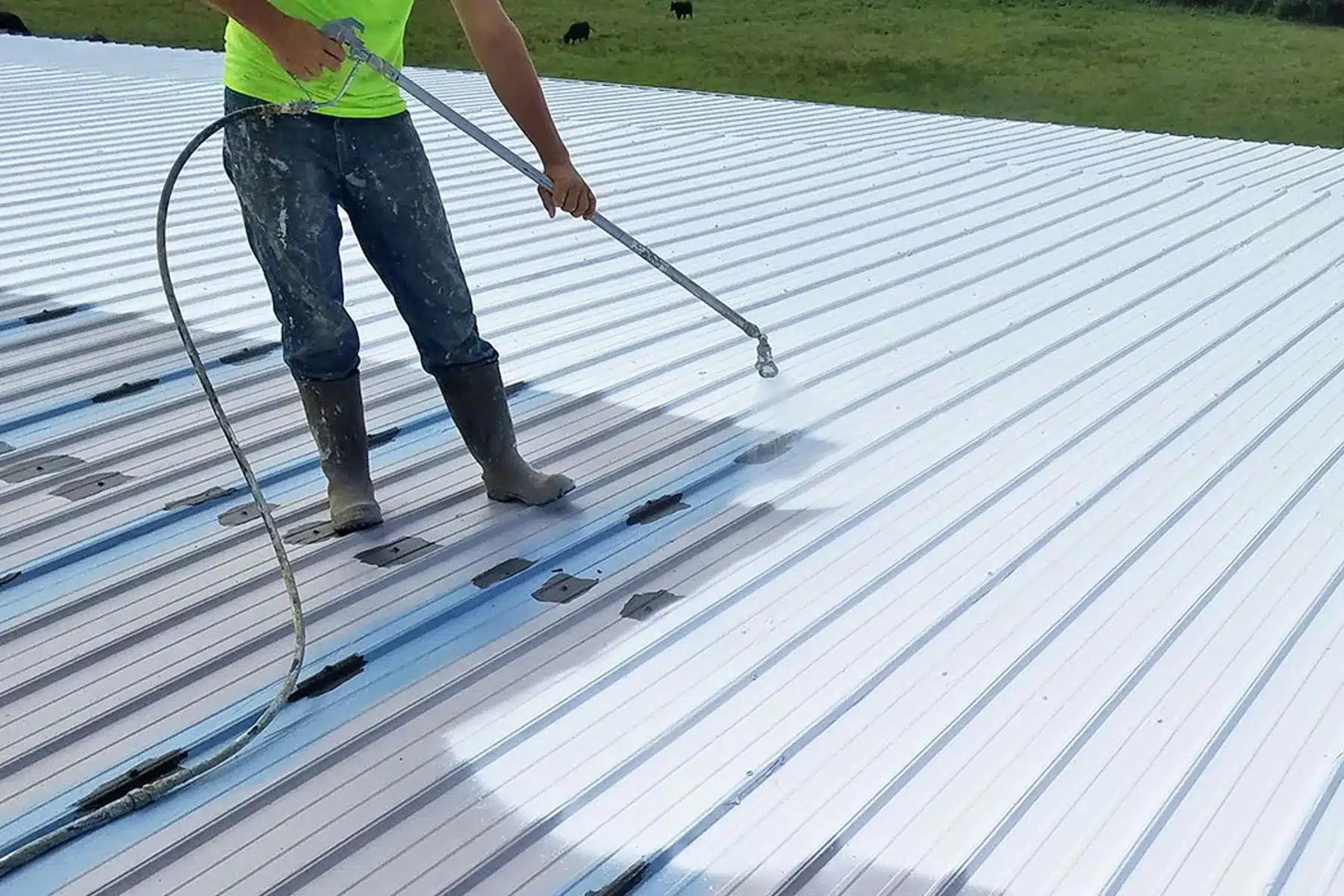
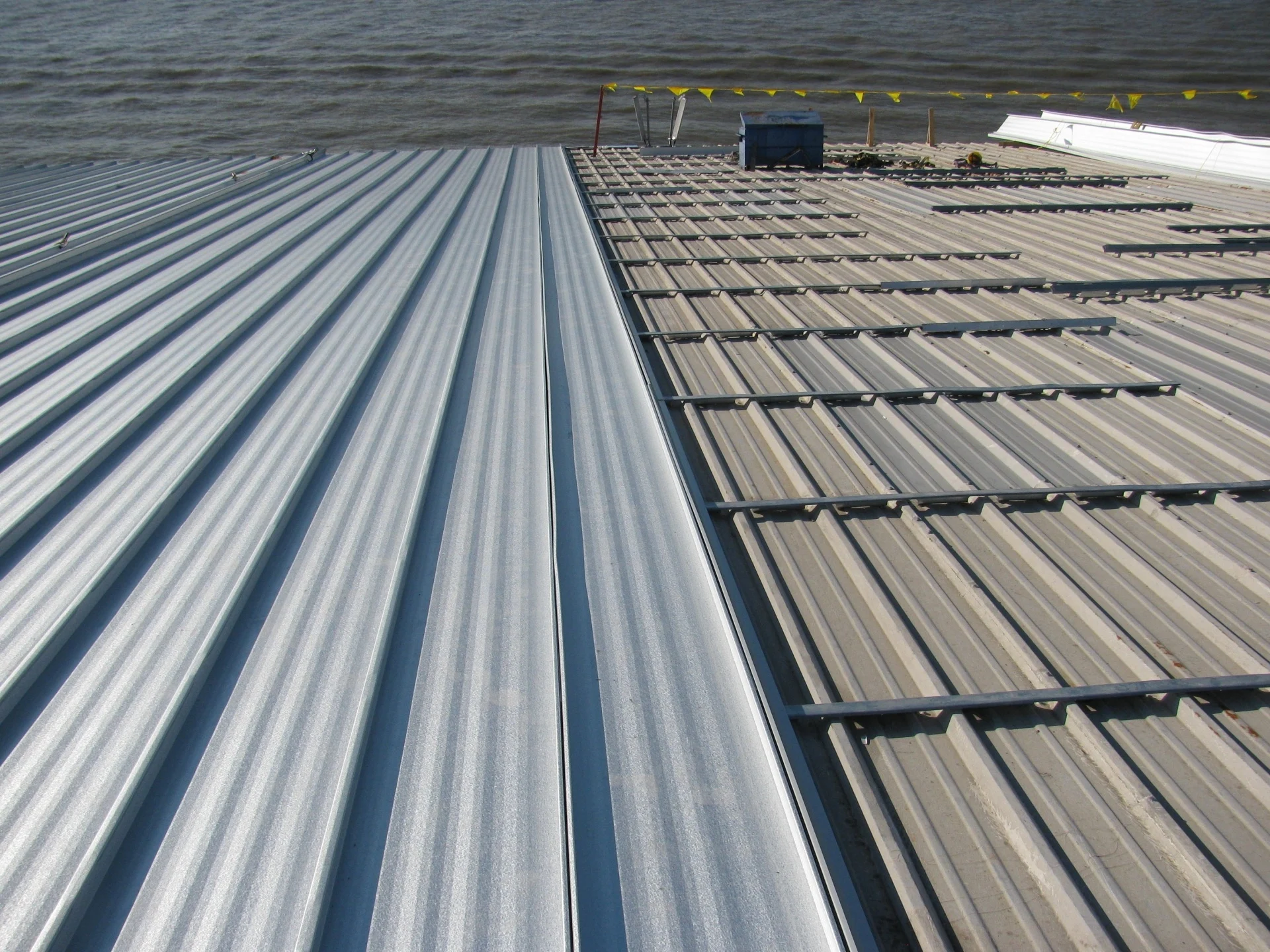
Commercial Re-Roofing in Denver, CO
Commercial Re-Roofing for commercial buildings across Denver.