Movie Theater & Cinema Roofing in Denver, CO
Roofing for Denver movie theaters and cinemas - long clear-span auditorium decks, dense per-screen HVAC, acoustic deck assemblies, and work around show schedules.
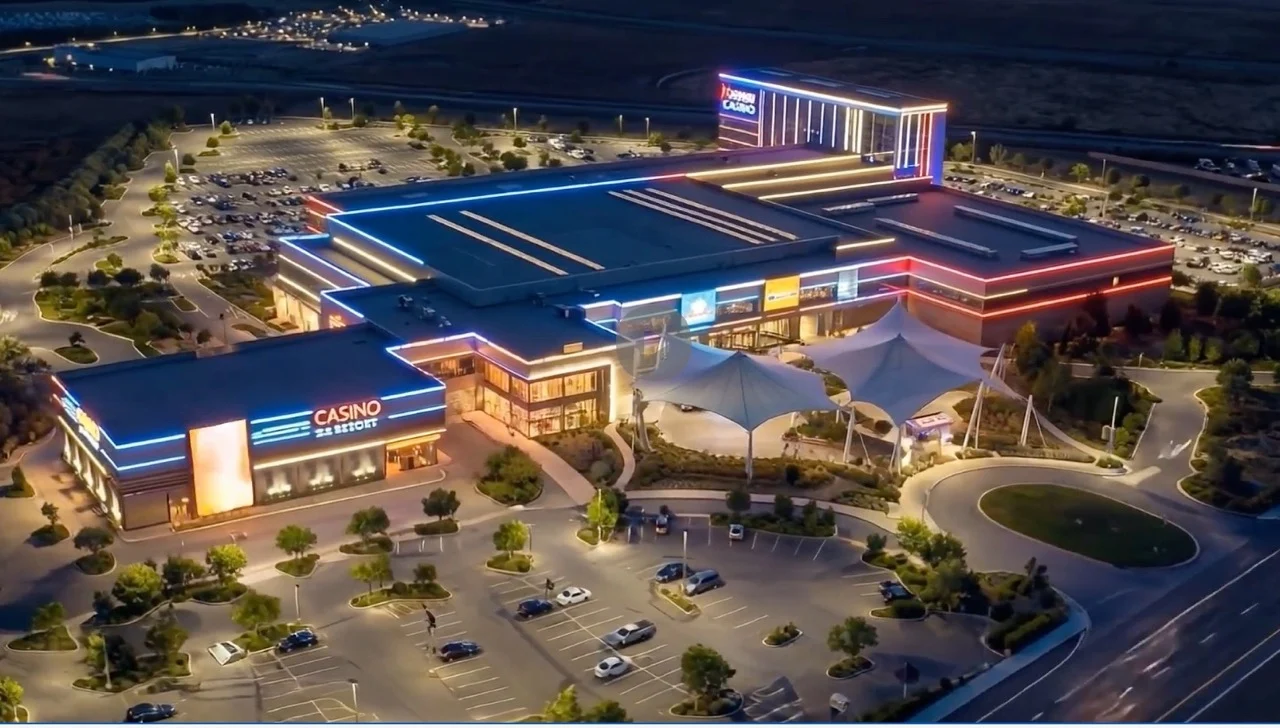
The thing that sets a cinema roof apart is what is not under it. Above a multiplex auditorium there are no intermediate columns - just a long, clear-span deck carrying its own weight across 80 to 150 feet of open room. A twelve-screen building on the south end of the metro near the Park Meadows trade area, or an entertainment-anchored center along the I-25 corridor, strings a row of those spans side by side. They deflect under load in ways a strip-retail fastening pattern was never designed for, so we spec cinema attachment off the actual deck type and span, never off a template borrowed from a smaller building.
Cinemas are also acoustic buildings, and the roof is part of that. Patrons cannot hear hail drumming or rain roar bleeding into a quiet scene, and one auditorium's soundtrack cannot leak into the next. The deck-and-insulation assembly contributes to that sound separation, so when we recover or replace a theater roof we keep the mass and the layering that the acoustic design depends on rather than swapping in a thinner build-up that telegraphs weather and bleed-through into the rooms below.
A penetration cluster that rivals a hospital
Rooftop mechanical over a multiplex is dense and concentrated. Each auditorium typically gets its own dedicated rooftop unit, and on top of that you have concession exhaust, lobby boiler vents, and condensers for the walk-in coolers serving food service. Add it up and the penetration field above a typical Denver theater looks more like a data center than a retail box. Every curb, duct, and conduit run gets flashed and documented individually before any new membrane goes over it, because a row of HVAC curbs left to a generic detail is a row of future leaks.
- The common cinema spec here is 60-mil or 80-mil TPO mechanically attached over tapered polyiso, which corrects the drainage deficiencies that build up over decades on a flat theater roof.
- White TPO meets the cool-roof energy requirements most Denver-area jurisdictions now apply to commercial reroof permits.
- Reinforced walkway pads run between rooftop units so the constant HVAC service traffic does not wear the membrane through at the work paths.
Deck type drives the attachment
Cinemas are usually built on steel deck or concrete deck over structural steel, and each substrate calls for its own approach. Steel deck takes mechanical attachment directly, but short ribs on older deck carry lower pull-out values than a modern three-inch rib, so we verify gauge and rib depth before committing a fastener pattern. Concrete deck points us toward adhered or, where structural loads allow, ballasted systems. On any theater reroof we start with a core sample to confirm the existing insulation layers, moisture content, and total weight-in-place before we recommend a recover versus a full replacement - a multiplex roof that is already saturated cannot simply be covered over.
Working around the show schedule
Cinemas run afternoons through late night, seven days a week, which puts them in the same operational box as a 24-hour building. We coordinate with theater facilities management before mobilizing so the work stays clear of evening opening procedures, HVAC maintenance windows, and the loading-dock access that service contractors need. Tear-off and dry-in are sequenced so every roof section is watertight before the first evening screening, and any HVAC shutdown required for curb or penetration work is scheduled into a window the facility approves - a hot, stuffy auditorium empties a theater as fast as a leak over the screen.
The marquee and entry canopies
The marquee sign and the entry canopies are their own leak story. Wherever sign supports or canopy framing penetrate the membrane, we treat those as individual flashing items rather than rolling them into the field scope. The canopy-to-building transition at a theater entrance is a chronic trouble spot on older buildings - it cycles thermally, takes weather off the facade, and moves with differential settlement - so we evaluate and re-flash those connections as part of every cinema project rather than leaving the one detail most likely to drip on patrons.
Snow, drainage, and Denver's freeze-thaw cycle
A wide, flat auditorium roof at this altitude collects snow and then watches it melt and refreeze through the day as the high-country sun works on it. Meltwater runs toward the drains, hits a cold parapet or a shaded curb, and refreezes, and on a roof that already ponds from years of insulation settlement that cycle finds every weak seam. This is why tapered insulation matters so much on a theater: standing water that cannot reach a drain before the next freeze is the single biggest accelerant of membrane failure on a Denver cinema. We design the taper around the existing drain locations and the ponding patterns we document on the walk, add overflow scuppers where the parapet height allows, and pay particular attention to the large interior roof areas over the auditorium blocks where there is the most distance for water to travel and the most opportunity for it to pool. Drains and overflow paths are cleared and verified before closeout, because a blocked drain on a flat theater roof in January is a structural load question, not just a leak.
Frequently asked questions
What membrane do you typically specify for a multiplex?
Most Denver cinema reroofs are 60-mil or 80-mil TPO mechanically attached over tapered polyiso. The tapered insulation corrects decades of drainage deficiency, the white surface satisfies cool-roof permit requirements, and reinforced walkway pads protect the membrane around the heavily serviced rooftop units.
How do you handle the long auditorium spans?
We verify deck gauge and rib depth and run pull-out values before specifying attachment. Older steel deck with short ribs holds less than modern three-inch deck, and where deflection is a concern on the longest spans we move to an adhered or hybrid system to keep concentrated fastener loads off the seams.
Can the work happen without disrupting screenings?
Yes. We plan around the show schedule, sequence tear-off and dry-in so each section is watertight before evening screenings begin, and coordinate any HVAC shutdown windows with facilities management for curb and penetration work.
Do you re-flash the marquee and entry canopy connections?
We do. Sign supports and canopy framing that penetrate the membrane are treated as individual flashing items, and the canopy-to-building transition - the most common chronic leak on older theaters - is evaluated and re-flashed as part of every cinema roofing project.
If you own or manage a cinema in the Denver area, we will core the deck, document every rooftop penetration, evaluate your canopy connections, and deliver a written scope priced per square with phasing fit to your screening schedule. Request a roof report to get started.
| Scope Format | Written roof plan and photo record |
|---|---|
| Primary Market | Denver commercial buildings |