
Industrial Flex Space Roofing in Denver, CO
Low-slope roofing for Denver industrial flex buildings - multi-tenant penetration surveys, TI coordination, and reroof scopes built for bay-by-bay occupancy.
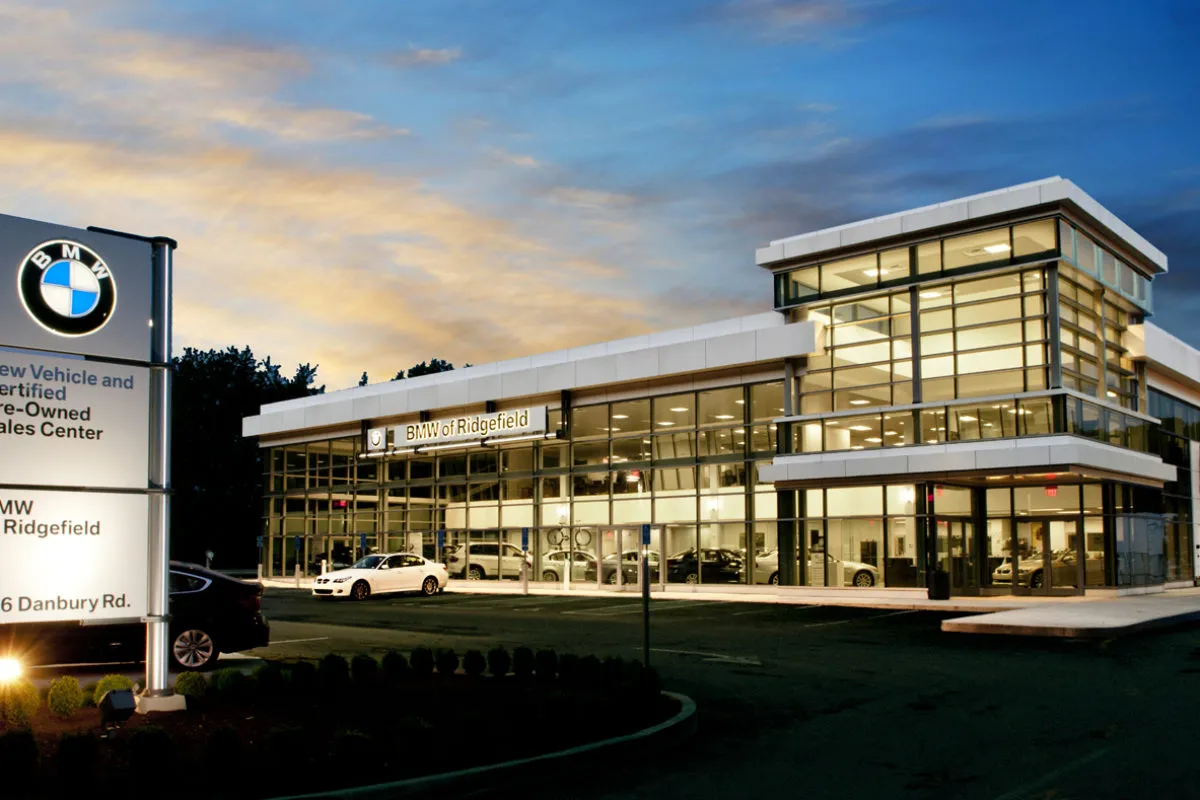
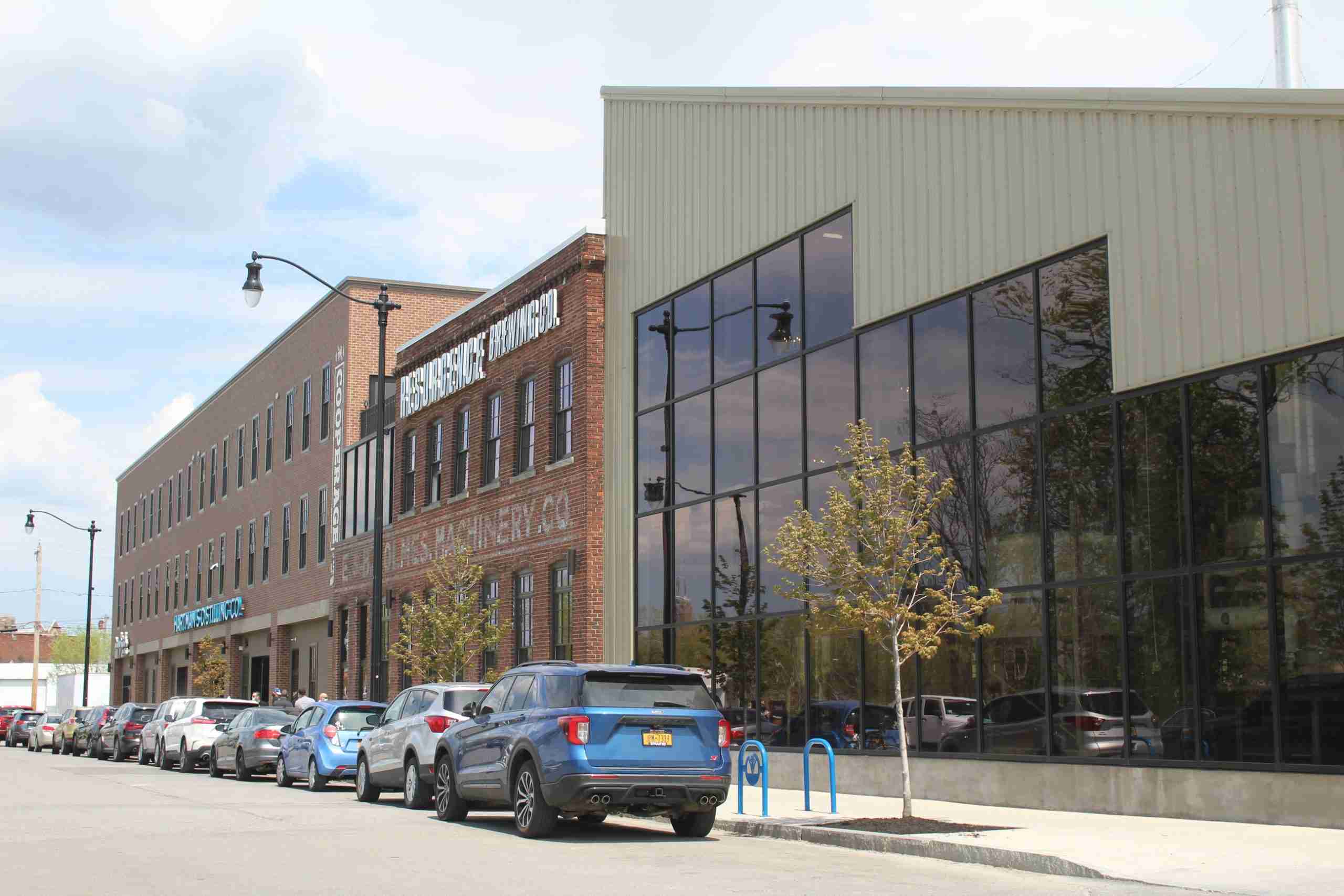
Flex buildings are the workhorses of Denver's commercial inventory, and they are also the most unpredictable roofs we walk. A single tilt-wall shell along Havana Street in Aurora or in the Stapleton Business Center off Smith Road might hold a fabrication shop in one bay, a last-mile courier in the next, and a software hardware lab in the third. We roof for the building, not the tenant, because the tenant mix turns over faster than any warranty cycle. Our scopes are written so the membrane keeps performing through every lease transition and every tenant improvement that follows.
The defining trait of flex roofing is penetration density that nobody has tracked. Each new tenant adds a rooftop condenser, cuts in a new gas line, drops an exhaust fan over a paint booth, or runs fresh conduit, and almost none of it gets recorded on the property's original roof plan. Before we price a reroof on a multi-tenant building in the Montbello industrial pocket or the Northfield commercial district, we walk the entire deck and build a photographed penetration inventory. We have pulled membrane on flex buildings near Pena Boulevard and found a dozen abandoned curbs that no current tenant could account for. Those are the leak paths that sink a warranty if they are not addressed up front.
What flex buildings around Denver are actually built on
Denver's flex stock spans roughly fifty years of construction, and the deck under your feet dictates everything that follows. The older tilt-wall and block buildings in Commerce City and along the South Platte corridor were framed for built-up roofing on steel or wood-fiber deck, and many are now on their first or second membrane. The newer business parks pushed out toward DIA and along the E-470 corridor are pre-engineered steel with standing-seam or R-panel metal roofs. Those two substrates demand entirely different work, so the first thing we confirm on any flex project is what we are fastening into.
- Tilt-wall and concrete flex shells generally take a 60-mil TPO mechanically attached over tapered polyiso, which corrects decades of insulation settlement and gets water moving to the existing drains.
- Buildings with heavy rooftop equipment traffic or multiple HVAC service contractors get bumped to 80-mil TPO or 60-mil PVC fully adhered, where the extra thickness earns its cost in puncture and traffic resistance.
- Pre-engineered metal buildings are evaluated for a silicone-coated metal recover or a retrofit standing-seam system before we ever propose a full tear-off, since panel and purlin condition usually allow a recover that is far cheaper for the owner.
Hail and wind make the cover board non-negotiable
Flex roofs sit in the same Front Range hail belt as everything else east of downtown, and the multi-bay buildings out toward Aurora and Commerce City take the same May-through-August storm season the rest of the metro does. We specify an impact-resistant cover board - HD polyiso or HD gypsum - as the baseline on every flex reroof, not an upsell. A standard-density board lets the membrane flex past its rated tolerance when stones hit, and that is exactly the failure that shows up two seasons after a cheap reroof. We also run wind-uplift numbers for the building's actual exposure; a flex park on open ground near the airport is not the same calculation as a shielded infill site in an established district, and the fastener pattern has to reflect that.
Coordinating around a building full of different tenants
The hardest part of flex roofing is not the membrane - it is keeping a dozen unrelated businesses operating while we work overhead. We start every multi-tenant project with a bay-by-bay occupancy map and a contact list from property management. We identify which bays are vacant, which tenants run rooftop equipment that cannot go down, and which operations are sensitive to noise or dust. Tenants hear about the work through the property manager, not from a crew knocking on bay doors. Every section we open gets dried in and sealed before the crew leaves for the day, because in a flex building the bay you left exposed is the one with the leak claim.
Vacancy is its own risk. When a tenant clears out and their rooftop unit comes off, the curb opening usually gets a sheet of plastic that fails in the first real storm. On flex buildings in lease transition we confirm every curb cap, reseal abandoned penetrations, and clear the drains - empty bays collect debris far faster than occupied ones, and a clogged drain over a vacant suite is a ponding problem nobody is inside to notice.
Built for investors and property managers
Most of the flex buildings we work on are held by investors or run by third-party property managers, so our reporting is built for portfolio decisions. We price per roof square based on membrane spec, deck condition, penetration density, and bay configuration, and we deliver fixed-price proposals after a roof walk and cores where saturation is suspected. Owners managing several flex assets across the metro get standardized condition reports they can drop straight into a capital plan, so the building near Smith Road and the one off Tower Road are scored the same way and ranked against each other on real data.
Frequently asked questions
How do you handle undocumented tenant penetrations on a flex roof?
We photograph and map every penetration during the pre-project walk, compare it against any original drawings, and flag every non-standard or improperly sealed opening for remediation before new membrane goes down. On multi-tenant flex buildings this step is the difference between a clean warranty and a dispute, because the abandoned curbs from former tenants are the leak paths nobody else accounts for.
What membrane do you recommend for a multi-tenant flex building?
A 60-mil TPO mechanically attached over tapered polyiso covers most tilt-wall and concrete flex buildings in the Denver area. Where rooftop equipment is dense or several tenants send HVAC techs up regularly, we move to 80-mil TPO or 60-mil PVC fully adhered for the added puncture and traffic resistance.
Can you reroof without shutting tenants down?
Yes. We sequence the work bay by bay off an occupancy map, keep the most sensitive operations running until last, and dry in every section the same day. Tenants are notified through property management so the crew is not negotiating access door to door.
Do you work on the metal roofs on pre-engineered flex buildings?
We do. Standing-seam and R-panel metal roofs get evaluated for a coated-metal or retrofit recover against full replacement based on panel condition, purlin spacing, and load capacity. On the newer pre-engineered buildings near E-470 and the airport, a recover usually extends service life for a fraction of a tear-off.
If you own or manage a flex building anywhere from Commerce City to Aurora, we will walk the full deck, inventory every penetration, pull moisture cores where ponding is suspected, and hand you a written scope priced per square with phasing focused on your tenants. Request a roof report to get started.
| Scope Format | Written roof plan and photo record |
|---|---|
| Primary Market | Denver commercial buildings |